

As a long - hex nut supplier, I've been asked numerous times about the impact of vibration on long hex nuts. This is a crucial question, especially in industries where machinery operates under continuous vibration, such as automotive, aerospace, and heavy equipment manufacturing. In this blog, I'll explore the effects of vibration on long hex nuts based on scientific principles and real - world experiences.
Understanding Long Hex Nuts
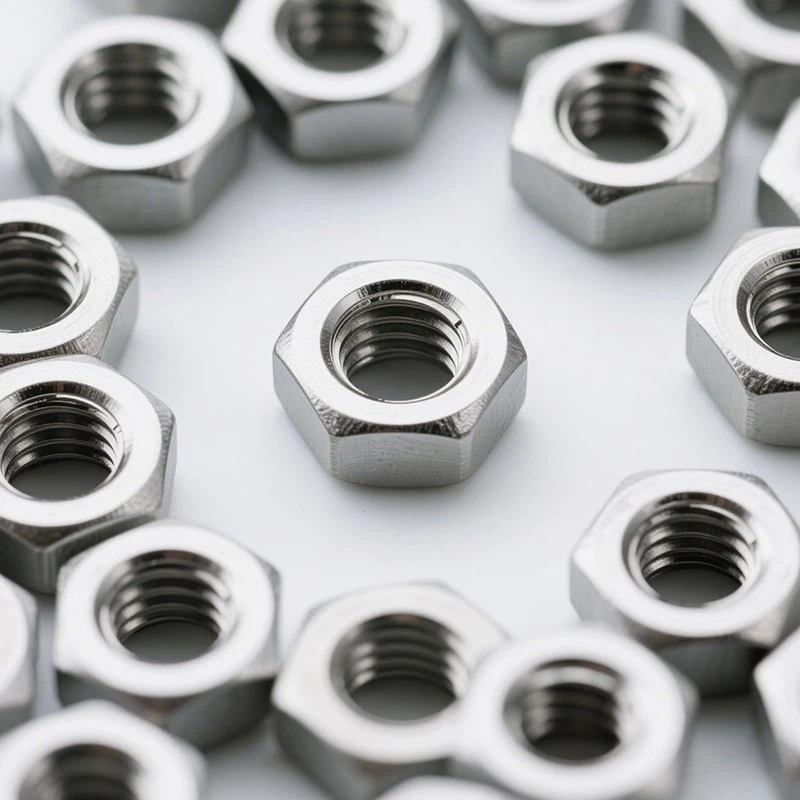
Long hex nuts are a type of fastener with a hexagonal shape and a longer body compared to standard hex nuts. They are commonly used in applications where a greater thread engagement is required to provide enhanced clamping force and stability. Long hex nuts are available in various materials, including carbon steel, stainless steel, and alloy steel, each with its own set of properties suitable for different environments.
How Vibration Affects Fasteners
Vibration can have several detrimental effects on fasteners in general, and long hex nuts are no exception. One of the primary concerns is self - loosening. When a nut is tightened onto a bolt, it creates a clamping force that holds the joint together. However, vibration can cause the nut to rotate in the loosening direction, gradually reducing the clamping force.
The mechanism behind this self - loosening is complex. Vibration can induce micro - motions at the thread interface and the contact surfaces between the nut and the mating parts. These micro - motions can overcome the friction that normally keeps the nut in place. Over time, as the nut loosens, the clamping force decreases, which can lead to joint failure.
Another effect of vibration on long hex nuts is fatigue. The cyclic loading caused by vibration can introduce stress concentrations in the nut. The threads of the nut are particularly vulnerable to fatigue cracking. As the stress cycles continue, these cracks can propagate, eventually leading to the fracture of the nut. This is especially critical in high - stress applications where the integrity of the fastener is essential for the safety and performance of the entire system.
Factors Influencing the Impact of Vibration on Long Hex Nuts
Material Properties
The material of the long hex nut plays a significant role in its resistance to vibration. For example, Stainless Steel Nut has good corrosion resistance and relatively high strength. Stainless steel's inherent properties can help reduce the risk of fatigue cracking caused by vibration. On the other hand, carbon steel nuts may be more prone to corrosion, which can weaken the nut over time and make it more susceptible to the effects of vibration.
Thread Design
The design of the threads also affects how long hex nuts respond to vibration. Fine - pitched threads generally have a higher resistance to self - loosening compared to coarse - pitched threads. This is because fine - pitched threads have a greater thread engagement area, which increases the friction between the nut and the bolt. Additionally, some specialized thread designs, such as locking threads, are specifically engineered to resist vibration - induced loosening.
Installation Torque
Proper installation torque is crucial for ensuring the performance of long hex nuts under vibration. If the nut is not tightened to the correct torque, it may not provide sufficient clamping force, making it more likely to loosen under vibration. Conversely, over - tightening the nut can cause excessive stress on the threads and the mating parts, which can also lead to premature failure.
Mating Surface Conditions
The condition of the mating surfaces between the nut and the parts it is fastening can influence the impact of vibration. Rough or uneven mating surfaces can reduce the friction between the nut and the parts, increasing the likelihood of self - loosening. Additionally, if there is debris or contaminants on the mating surfaces, it can affect the proper seating of the nut and compromise its performance.
Mitigating the Effects of Vibration on Long Hex Nuts
Use of Locking Devices
There are various locking devices available that can help prevent the self - loosening of long hex nuts. For example, nylon - insert lock nuts have a nylon ring inserted into the top of the nut. When the nut is tightened, the nylon ring deforms against the threads of the bolt, creating additional friction that resists loosening. Another option is the use of Barrel Nut, which has a unique design that can provide enhanced locking performance.
Thread Locking Compounds
Thread locking compounds are adhesives that are applied to the threads of the nut and bolt before assembly. These compounds cure after installation, creating a strong bond between the threads. This bond helps to prevent the micro - motions that can lead to self - loosening. There are different types of thread locking compounds available, ranging from low - strength compounds for easy disassembly to high - strength compounds for permanent locking.
Proper Installation and Maintenance
Ensuring proper installation of long hex nuts is essential. This includes using the correct tools and following the recommended installation torque values. Regular maintenance is also important. Periodic inspections can help detect any signs of loosening or damage early on. If a nut is found to be loose, it should be retightened to the correct torque.
Real - World Examples
In the automotive industry, long hex nuts are used in engine components, suspension systems, and other critical parts. Vibration is a constant factor in automotive applications, and the failure of a fastener can have serious consequences. For example, in an engine, a loose long hex nut on a cylinder head bolt can lead to a loss of compression, reduced engine performance, and even engine damage.
In the aerospace industry, the requirements for fastener reliability are even more stringent. Long hex nuts used in aircraft structures must be able to withstand extreme vibration and high - stress conditions. Any failure of a fastener in an aircraft can endanger the safety of the passengers and crew. Therefore, aerospace engineers pay close attention to the selection of fasteners and the implementation of anti - vibration measures.
Conclusion
In conclusion, vibration can have a significant impact on long hex nuts. It can cause self - loosening and fatigue, which can lead to joint failure. However, by understanding the factors that influence the performance of long hex nuts under vibration and taking appropriate mitigation measures, we can ensure the reliability and safety of the fastening systems.
As a long - hex nut supplier, I am committed to providing high - quality products that can withstand the challenges of vibration. We offer a wide range of long hex nuts in different materials and sizes to meet the diverse needs of our customers. If you are in need of long hex nuts or have any questions about their performance under vibration, please feel free to contact us for procurement and further discussion. We are here to help you find the best fastener solutions for your applications.

References
- "Fastener Handbook" by William H. Ross
- "Mechanical Engineering Design" by Joseph E. Shigley and Charles R. Mischke
- Industry standards and technical documents related to fasteners and vibration analysis