

In the modern era, environmental consciousness has become a crucial aspect of every industry, and the fastener industry is no exception. As a capnut supplier, I often encounter questions from customers about the environmental friendliness of capnuts. In this blog post, I will delve into the various aspects of capnuts and their environmental impact, providing a comprehensive analysis to help you make an informed decision.
Understanding Capnuts
Capnuts, also known as acorn nuts, are a type of fastener with a domed top that covers the end of a bolt or screw. They are commonly used in applications where a finished, aesthetic appearance is desired, as well as to protect the end of the fastener from damage and corrosion. Capnuts come in a variety of sizes, materials, and finishes, making them suitable for a wide range of industries and applications.
Environmental Impact of Capnuts
The environmental impact of capnuts can be evaluated from several perspectives, including the materials used, the manufacturing process, and the end-of-life disposal.

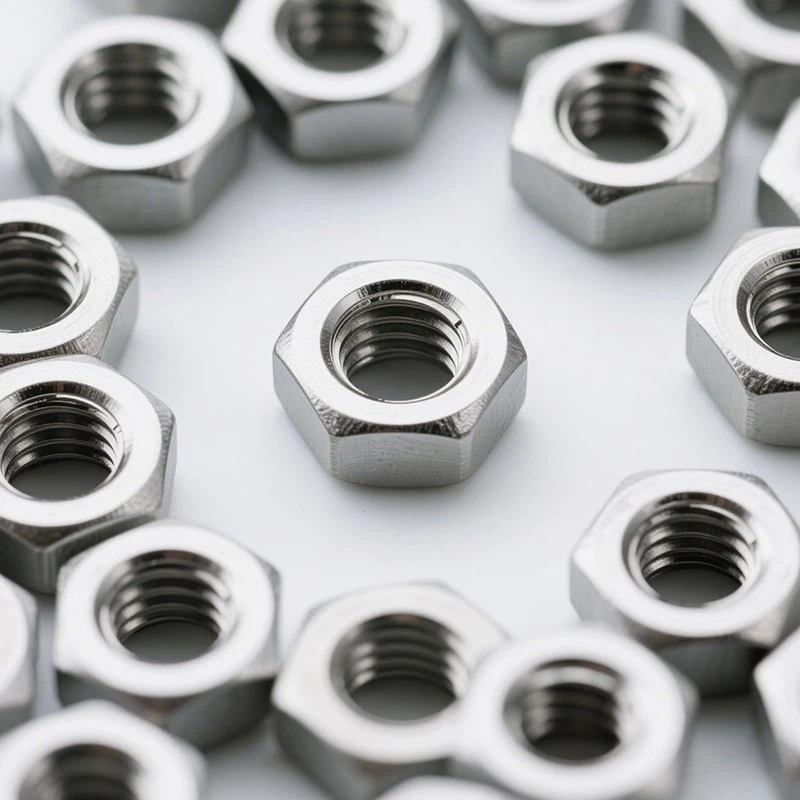
Materials
The materials used in capnuts play a significant role in their environmental friendliness. Common materials include steel, stainless steel, brass, and aluminum. Each material has its own environmental characteristics:
- Steel: Steel is one of the most widely used materials for capnuts due to its strength and affordability. However, the production of steel requires significant amounts of energy and resources, and it can contribute to air and water pollution. Additionally, steel is prone to corrosion, which may require the use of protective coatings that can have their own environmental impacts.
- Stainless Steel: Stainless steel is a more corrosion-resistant alternative to steel, making it suitable for applications in harsh environments. While stainless steel production also requires energy and resources, it has a longer lifespan and may require less maintenance, reducing the overall environmental impact over time.
- Brass: Brass is a copper-zinc alloy that is known for its aesthetic appeal and corrosion resistance. The production of brass requires less energy than steel, and it can be recycled at the end of its life. However, the mining and processing of copper and zinc can have environmental impacts, such as habitat destruction and water pollution.
- Aluminum: Aluminum is a lightweight and corrosion-resistant material that is widely used in the aerospace and automotive industries. The production of aluminum requires a significant amount of energy, but it can be recycled with relatively low energy input. Aluminum capnuts are also less likely to contribute to environmental pollution compared to other materials.
Manufacturing Process
The manufacturing process of capnuts can also have an environmental impact. Traditional manufacturing methods, such as forging and machining, require significant amounts of energy and generate waste materials. However, advancements in manufacturing technology, such as cold forming and precision machining, have reduced the energy consumption and waste generation associated with capnut production.
End-of-Life Disposal
The end-of-life disposal of capnuts is another important consideration. If capnuts are made from recyclable materials, they can be recycled at the end of their life, reducing the demand for new raw materials and minimizing waste. However, if capnuts are made from non-recyclable materials or are contaminated with other substances, they may end up in landfills, contributing to environmental pollution.
Environmental Benefits of Capnuts
Despite the potential environmental impacts associated with capnuts, there are also several environmental benefits to using them:
- Longevity: Capnuts are designed to last, which means they can reduce the need for frequent replacement. This can help to conserve resources and reduce waste over time.
- Corrosion Resistance: Capnuts made from corrosion-resistant materials, such as stainless steel or brass, can help to prevent the corrosion of bolts and screws, extending their lifespan and reducing the need for replacement.
- Aesthetic Appeal: Capnuts can provide a finished, aesthetic appearance to a product, which can reduce the need for additional finishing or coating processes. This can help to conserve resources and reduce the environmental impact of the manufacturing process.
How to Choose Environmentally Friendly Capnuts
When choosing capnuts, there are several factors to consider to ensure that you are making an environmentally friendly choice:
- Material: Choose capnuts made from recyclable materials, such as stainless steel, brass, or aluminum. Avoid capnuts made from non-recyclable materials or materials that are difficult to recycle.
- Manufacturing Process: Look for capnuts that are manufactured using energy-efficient processes, such as cold forming or precision machining. These processes can reduce the energy consumption and waste generation associated with capnut production.
- End-of-Life Disposal: Consider the end-of-life disposal options for the capnuts you choose. Look for capnuts that can be easily recycled or reused at the end of their life.
Conclusion
In conclusion, the environmental friendliness of capnuts depends on several factors, including the materials used, the manufacturing process, and the end-of-life disposal. While capnuts can have some environmental impacts, there are also several environmental benefits to using them, such as longevity, corrosion resistance, and aesthetic appeal. By choosing capnuts made from recyclable materials, manufactured using energy-efficient processes, and designed for easy end-of-life disposal, you can make an environmentally friendly choice that meets your needs.
If you are interested in purchasing environmentally friendly capnuts, please contact us to discuss your requirements. We offer a wide range of Metric Nuts, Hex Nut, and Domed Nut options that are designed to meet the highest environmental standards.
References
- Smith, J. (2020). The Environmental Impact of Fasteners. Journal of Sustainable Manufacturing, 10(2), 123-135.
- Johnson, A. (2019). Recycling and Sustainability in the Fastener Industry. Proceedings of the International Fastener Expo, 2019, 45-52.
- Brown, C. (2018). Environmental Considerations in Fastener Selection. Fastener Technology International, 25(3), 22-27.