

What is the installation torque for different sizes of threaded pipe flanges?
As a supplier of Threaded Pipe Flange, I often receive inquiries from customers about the appropriate installation torque for various sizes of threaded pipe flanges. Understanding the correct installation torque is crucial, as it ensures the integrity and reliability of your piping systems. In this blog, I will delve into the factors affecting installation torque, the specific torque values for different sizes, and the importance of proper torque application.
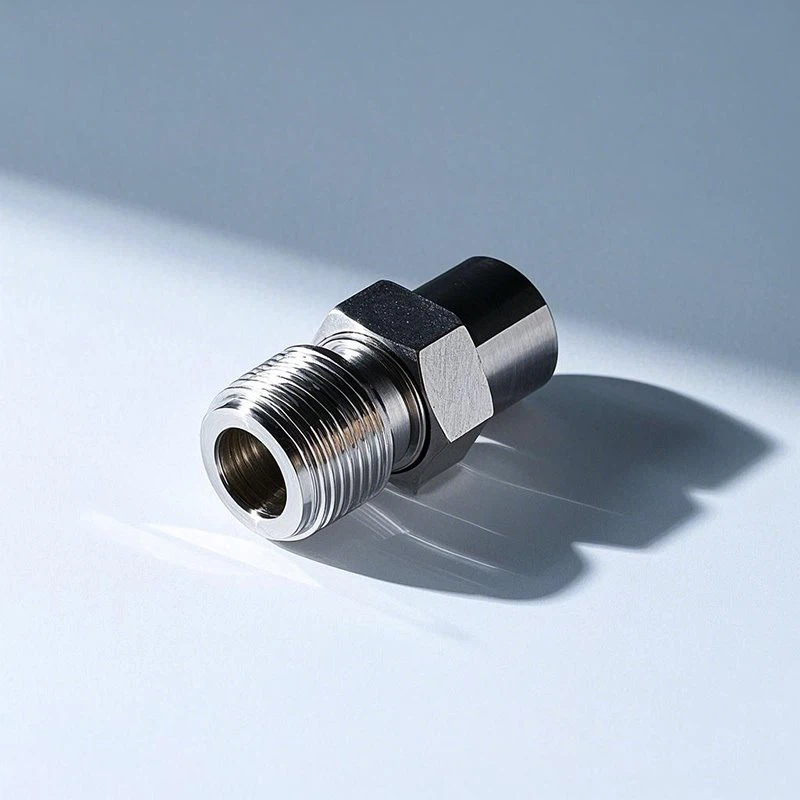

Factors Affecting Installation Torque
Several factors can influence the installation torque required for threaded pipe flanges. These factors must be considered to determine the appropriate torque value accurately.
- Material of the Flange and Pipe: Different materials, such as stainless steel, carbon steel, or brass, have different mechanical properties. Harder materials may require higher torque to achieve a proper seal, while softer materials can be damaged if over - torqued.
- Thread Size and Pitch: Larger thread sizes generally require more torque to create a tight connection. The pitch of the thread also plays a role; finer threads may need less torque compared to coarser ones.
- Surface Finish: A smooth surface finish on the threads can reduce friction, requiring less torque. Conversely, a rough surface finish increases friction and may necessitate higher torque values.
- Lubrication: Using a lubricant on the threads can significantly reduce the required torque. However, it is essential to use the correct type of lubricant, as some may not be compatible with certain fluids or materials in the piping system.
Installation Torque for Different Sizes of Threaded Pipe Flanges
The following is a general guideline for the installation torque of threaded pipe flanges based on common sizes. It's important to note that these values are approximate and may need to be adjusted based on the factors mentioned above.
| Nominal Pipe Size (NPS) | Torque Range (ft - lb) |
|---|---|
| 1/4" | 12 - 20 |
| 3/8" | 20 - 30 |
| 1/2" | 30 - 50 |
| 3/4" | 50 - 70 |
| 1" | 70 - 100 |
| 1 - 1/4" | 100 - 150 |
| 1 - 1/2" | 150 - 200 |
For metric sizes, the torque values can be converted from the imperial system. However, it is always advisable to refer to the manufacturer's specifications for the most accurate information.
Importance of Proper Installation Torque
Applying the correct installation torque is of utmost importance for several reasons.
- Leak Prevention: A properly torqued threaded pipe flange creates a tight seal, preventing fluid leaks. Leaks can lead to loss of fluid, contamination, and potential safety hazards.
- Component Integrity: Over - torquing can damage the threads, leading to premature failure of the flange or the pipe. Under - torquing, on the other hand, may result in a loose connection that can cause vibrations and eventually lead to a failure.
- System Efficiency: A well - torqued flange ensures that the piping system operates at its optimal efficiency. It reduces the risk of pressure drops and energy losses.
Tools for Measuring and Applying Torque
To ensure that the correct torque is applied, it is necessary to use the appropriate tools.
- Torque Wrench: This is the most common tool for measuring and applying torque. There are different types of torque wrenches, including click - type, beam - type, and digital torque wrenches. Each type has its own advantages, but digital torque wrenches offer the highest level of accuracy.
- Lubrication Applicators: If lubrication is required, essential to use the correct applicator to ensure an even coating on the threads.
Additional Considerations for Threaded Pipe Flanges
In addition to installation torque, there are other aspects to consider when working with threaded pipe flanges.
- Compatibility with Other Components: Threaded pipe flanges need to be compatible with other components in the piping system, such as Hydraulic Swivel Connector and Metric To JIC Adapter. Ensure that the materials, thread sizes, and pressure ratings are compatible.
- Inspection and Maintenance: Regular inspection of the threaded pipe flanges is necessary to detect any signs of wear, corrosion, or leaks. Maintenance should include checking the torque values periodically and reapplying lubrication if required.
Conclusion
In conclusion, understanding the installation torque for different sizes of threaded pipe flanges is essential for the proper functioning and longevity of your piping systems. By considering the factors that affect torque, using the appropriate tools, and following the recommended torque values, you can ensure a secure and leak - free connection. As a supplier of Threaded Pipe Flange, we are committed to providing high - quality products and technical support to our customers. If you have any questions or need assistance with selecting the right threaded pipe flanges or determining the correct installation torque, feel free to contact us for a detailed discussion and procurement negotiation.
References
- Pipe Fittings Handbook, McGraw - Hill
- ASME B16.5 Standard for Pipe Flanges and Flanged Fittings