

Removing metric nuts can be a straightforward task when you have the right knowledge and tools at your disposal. As a trusted supplier of metric nuts, including Hexagon Cap Nut, Long Hex Nut, and Domed Nut, we understand the importance of proper nut removal techniques. In this blog post, we'll guide you through the process of removing metric nuts effectively and safely.
Understanding Metric Nuts
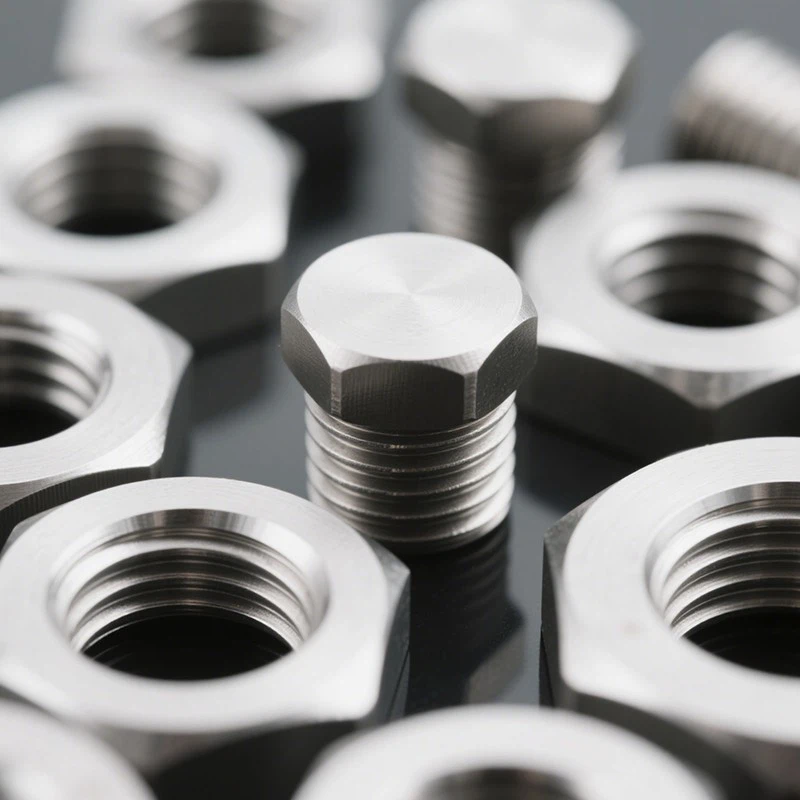
Before we dive into the removal process, it's essential to have a basic understanding of metric nuts. Metric nuts are fasteners with a metric thread size, which is measured in millimeters. They come in various shapes and sizes, each designed for specific applications. Some common types of metric nuts include hexagon nuts, which are the most widely used and have six sides for easy gripping with a wrench; long hex nuts, which provide additional thread engagement for increased strength; and domed nuts, which have a rounded top for a more finished appearance.
Tools Required for Nut Removal
To remove metric nuts successfully, you'll need the right tools. Here are some essential tools you should have on hand:

- Wrenches: A set of metric wrenches is a must-have for removing metric nuts. You can choose between open-end wrenches, which have a U-shaped opening at each end, or combination wrenches, which have an open end on one side and a box end on the other. Socket wrenches are also a popular choice, especially for hard-to-reach nuts.
- Screwdrivers: In some cases, you may need a screwdriver to remove nuts that are held in place by a screw or bolt. A flathead screwdriver and a Phillips head screwdriver are the most commonly used types.
- Pliers: Pliers can be useful for gripping and turning nuts, especially if they are small or difficult to reach with a wrench. Needle-nose pliers and locking pliers are two types of pliers that you may find handy.
- Penetrating Oil: If the nut is rusted or seized, penetrating oil can help loosen it. Apply the oil to the nut and let it sit for a few minutes to allow it to penetrate the threads.
- Hammer: A hammer can be used to tap the nut gently to help loosen it. However, be careful not to hit the nut too hard, as this could damage it or the surrounding components.
Step-by-Step Guide to Removing Metric Nuts
Now that you have the necessary tools, let's walk through the step-by-step process of removing metric nuts:
- Identify the Nut: Before you start removing the nut, make sure you know what type of nut it is and what size it is. This will help you choose the right tool for the job.
- Prepare the Area: Clear the area around the nut of any debris or obstructions. This will give you better access to the nut and prevent any damage to the surrounding components.
- Apply Penetrating Oil (if necessary): If the nut is rusted or seized, apply penetrating oil to the nut and let it sit for a few minutes. This will help loosen the nut and make it easier to remove.
- Select the Right Tool: Choose the appropriate wrench or tool for the nut size. Make sure the tool fits the nut snugly to prevent slipping.
- Position the Tool: Place the tool over the nut and make sure it is properly aligned. If using a wrench, make sure it is turned in the correct direction (usually counterclockwise to loosen the nut).
- Apply Pressure: Apply steady pressure to the tool to turn the nut. If the nut is difficult to turn, you may need to use a longer wrench or apply more force. However, be careful not to apply too much force, as this could damage the nut or the tool.
- Continue Turning: Keep turning the nut until it is completely loose. If the nut is stuck, you may need to tap it gently with a hammer or use a different tool to loosen it.
- Remove the Nut: Once the nut is loose, you can remove it by hand or with the tool. Be careful not to drop the nut or damage the surrounding components.
Troubleshooting Common Issues
Sometimes, removing metric nuts can be more challenging than expected. Here are some common issues you may encounter and how to troubleshoot them:
- Rusted or Seized Nuts: If the nut is rusted or seized, applying penetrating oil and letting it sit for a few minutes can help loosen it. You can also try tapping the nut gently with a hammer to break the rust or corrosion. If the nut is still stuck, you may need to use a more aggressive method, such as using a torch to heat the nut or using a nut splitter to cut the nut off.
- Stripped Threads: If the threads on the nut or the bolt are stripped, the nut may not be able to be removed using a regular wrench. In this case, you may need to use a special tool, such as a thread chaser or a tap and die set, to repair the threads. If the threads are severely damaged, you may need to replace the nut or the bolt.
- Hard-to-Reach Nuts: If the nut is located in a hard-to-reach area, you may need to use a specialized tool, such as a socket wrench with an extension or a universal joint, to access the nut. You can also try using a mirror or a flashlight to help you see the nut better.
Safety Precautions
When removing metric nuts, it's important to take some safety precautions to avoid injury. Here are some tips to keep in mind:
- Wear Protective Gear: Wear safety glasses, gloves, and appropriate clothing to protect yourself from flying debris and sharp edges.
- Use the Right Tool: Make sure you are using the right tool for the job and that it is in good condition. Using the wrong tool or a damaged tool can increase the risk of injury.
- Apply Pressure Slowly: When applying pressure to the tool, do it slowly and steadily to avoid sudden movements that could cause the tool to slip or the nut to break.
- Be Careful with Heat: If you are using a torch to heat the nut, be careful not to overheat it or damage the surrounding components. Make sure you have a fire extinguisher nearby in case of an emergency.
- Follow Manufacturer's Instructions: If you are using a specialized tool or a chemical product, make sure you follow the manufacturer's instructions carefully.
Conclusion
Removing metric nuts is a relatively simple task when you have the right knowledge and tools. By following the steps outlined in this blog post and taking the necessary safety precautions, you can remove metric nuts effectively and safely. If you have any questions or need further assistance, please don't hesitate to contact us. As a leading supplier of metric nuts, we are committed to providing our customers with high-quality products and excellent customer service. Whether you need Hexagon Cap Nut, Long Hex Nut, Domed Nut, or any other type of metric nut, we have the expertise and inventory to meet your needs. Contact us today to discuss your requirements and start a procurement negotiation.
References
- "Metric Fasteners Handbook," Industrial Fasteners Institute
- "How to Remove Rusted Nuts and Bolts," Family Handyman
- "Basic Wrenching Techniques," Popular Mechanics