

Hey there! As a supplier of metric nuts, I get asked a lot about the differences between hex metric nuts and square metric nuts. So, I thought I'd put together this blog to break it all down for you.
Quick Rundown of Metric Nuts
First off, let's quickly talk about metric nuts in general. Metric nuts are standard nuts that are designed to work with metric bolts. They come in all sorts of shapes and sizes, and each type has its own unique features and uses. The two most common types you'll come across are hex metric nuts and square metric nuts.
What Are Hex Metric Nuts?
Hex metric nuts are probably the most commonly used type of nuts out there. As the name suggests, they have a hexagonal shape with six sides. This shape makes them really easy to grip with a wrench or a socket. You can use a regular open-end wrench, a box-end wrench, or a socket wrench - it's up to you!
One of the big advantages of hex metric nuts is that they're super versatile. You can find them in all kinds of applications, from construction and automotive work to DIY home projects. They're also relatively easy to tighten and loosen, which is a huge plus when you're working on a job.
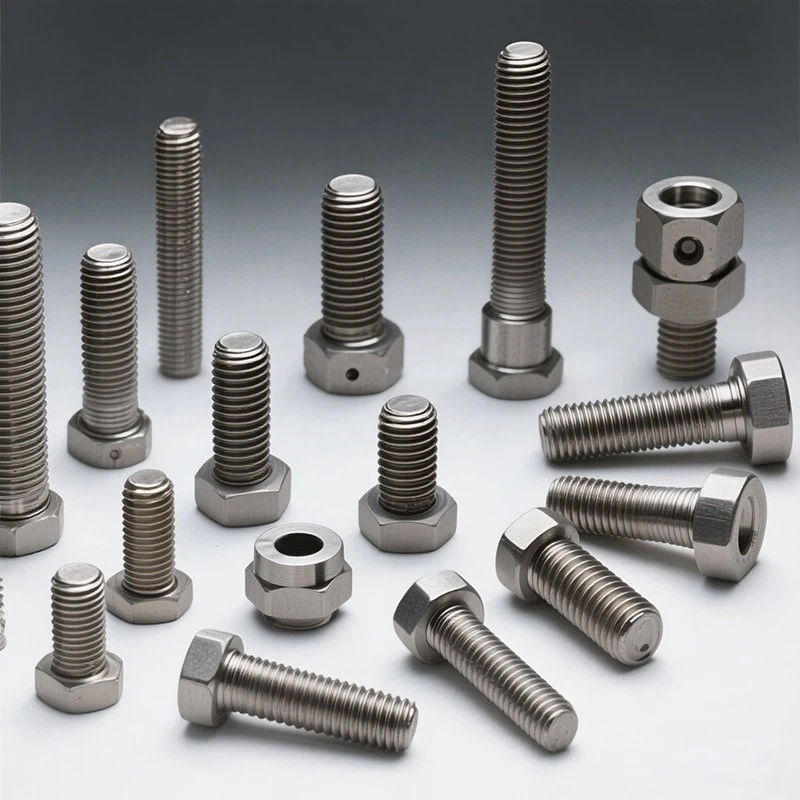

Hex Bolt Nut is a popular type of hex metric nut. It's designed to be used with a corresponding hex bolt, and together they form a strong and reliable fastening system.
Square Metric Nuts: What's Special About Them?
Now, let's talk about square metric nuts. These nuts have a square shape, which gives them a bit of a different look and feel compared to hex nuts. Square nuts have been around for a long time, and they were actually the standard before hex nuts became more popular.
One of the main advantages of square metric nuts is their larger surface area. Because they have four flat sides, they provide more contact area with the surface they're being installed on. This can be really useful in applications where you need a nut that won't rotate or move easily. For example, in some heavy-duty machinery or construction projects, square nuts can offer better stability.
Another benefit of square nuts is that they can be tightened using a regular open-end wrench. Since the sides are straight, it's easy to get a good grip on them. However, they can be a bit more difficult to use with a socket wrench compared to hex nuts.
Key Differences Between Hex and Square Metric Nuts
1. Shape and Grip
The most obvious difference between hex and square metric nuts is their shape. Hex nuts have a hexagonal shape with six sides, while square nuts have a square shape with four sides. This difference in shape affects how easy they are to grip and turn.
Hex nuts are generally easier to grip with a wrench or socket because of their six-sided shape. You can approach them from multiple angles, which gives you more flexibility when working in tight spaces. Square nuts, on the other hand, require a more direct approach. You need to place the wrench flat against one of the sides, which can be a bit trickier in some situations.
2. Installation and Ease of Use
When it comes to installation, hex nuts are usually the easier option. They can be quickly and easily tightened using a variety of tools, including socket wrenches, which are great for high-speed installations. Square nuts are a bit more time-consuming to install because they require a specific orientation of the wrench.
However, in some cases, the larger surface area of square nuts can make them easier to install by hand. If you're working on a project where you don't have access to tools, the flat sides of a square nut can provide a better grip for your fingers.
3. Applications
The choice between hex and square metric nuts often depends on the specific application. Hex nuts are widely used in a variety of industries, including automotive, construction, and manufacturing. They're great for general-purpose fastening and are often the go-to choice for most DIYers.
Square nuts, on the other hand, are more commonly used in heavy-duty applications where stability is crucial. They're often found in machinery, bridge construction, and other industrial settings where a secure and non-rotating connection is required.
When to Choose Hex Metric Nuts
- Versatility: If you need a nut that can be used in a wide range of applications, hex metric nuts are the way to go. They're compatible with most standard wrenches and sockets, and they're available in a variety of sizes and materials.
- Tight Spaces: In tight or confined spaces, hex nuts are easier to work with because of their six-sided shape. You can approach them from different angles, which makes it easier to get a wrench on them.
- High-Speed Installation: If you're working on a project where you need to install a lot of nuts quickly, hex nuts are a better choice. Socket wrenches can be used to quickly tighten hex nuts, saving you time and effort.
When to Choose Square Metric Nuts
- Stability: If you need a nut that won't rotate or move easily, square metric nuts are a good option. Their larger surface area provides more stability, making them ideal for heavy-duty applications.
- Traditional or Specific Applications: In some industries or applications, square nuts are the traditional choice. For example, in some older machinery or certain types of construction, square nuts are still commonly used.
- Hand Installation: If you need to install a nut by hand, the flat sides of a square nut can provide a better grip. This can be useful in situations where you don't have access to tools.
Other Types of Metric Nuts
In addition to hex and square metric nuts, there are several other types of metric nuts that you might come across.
Domed Nut has a rounded top, which gives it a more finished and aesthetically pleasing look. They're often used in applications where appearance is important, such as furniture or decorative items.
Barrel Nut is a type of nut that has a cylindrical shape. It's designed to be inserted into a pre-drilled hole in a piece of wood or other material, and it provides a strong and hidden fastening solution.
Wrapping It Up and Contact for Purchase
So, there you have it - the main differences between hex metric nuts and square metric nuts. As you can see, each type has its own unique advantages and disadvantages, and the choice between them depends on your specific needs and the application.
If you're in the market for metric nuts, whether it's hex, square, or any other type, I'm here to help. I've got a wide selection of high-quality metric nuts at competitive prices. Whether you're a DIYer working on a home project or a professional in the construction or manufacturing industry, I can provide you with the nuts you need.
If you have any questions or want to discuss your specific requirements, feel free to reach out. Let's talk about how I can meet your metric nut needs and make your next project a success!
References
- Machinery's Handbook, 31st Edition. This comprehensive reference book provides in - depth information on all aspects of mechanical design and manufacturing, including the properties and uses of different types of nuts.
- Automotive Repair Manuals. These manuals often discuss the types of nuts and bolts used in different parts of a vehicle, which can give you an idea of how different nuts are used in real - world applications.
- Construction Industry Standards and Guidelines. These documents outline the requirements and best practices for using nuts and bolts in construction projects, which can help you understand the importance of choosing the right type of nut for the job.