

As a supplier of capnuts, I've spent a significant amount of time discussing these fasteners with various clients, from small - scale DIY enthusiasts to large - scale industrial manufacturers. While capnuts have many advantages, it's only fair and professional to also shed light on their disadvantages. In this blog post, I'll dive deep into the drawbacks of capnuts, hoping to provide a comprehensive view for anyone considering using them.
1. Limited Thread Protection in Harsh Environments
Capnuts are often used for their ability to protect the exposed threads of bolts from damage and corrosion. However, in extremely harsh environments, their protective capabilities can be limited. For instance, in areas with high levels of saltwater exposure, such as coastal industrial facilities or marine vessels, the thin wall of a typical capnut may not provide sufficient protection against saltwater corrosion. The saltwater can seep into the small gaps between the capnut and the bolt, leading to rust formation on the threads.
Even when the capnut is made of a corrosion - resistant material like stainless steel, continuous exposure to saltwater can eventually lead to pitting corrosion. This is a form of localized corrosion that can penetrate the surface of the metal, compromising the integrity of the fastener. According to studies on corrosion in marine environments, the effectiveness of capnuts in preventing thread corrosion decreases significantly after prolonged exposure to salt - laden air and water.
2. Installation Challenges
Installing capnuts can be more challenging compared to other types of nuts. Unlike standard nuts, capnuts have a closed end, which means that the installer needs to ensure proper alignment with the bolt threads. This can be particularly difficult in tight spaces where visibility is limited. For example, in automotive engine compartments or complex machinery, reaching the fastener area and getting the capnut properly aligned with the bolt can be a time - consuming and frustrating process.
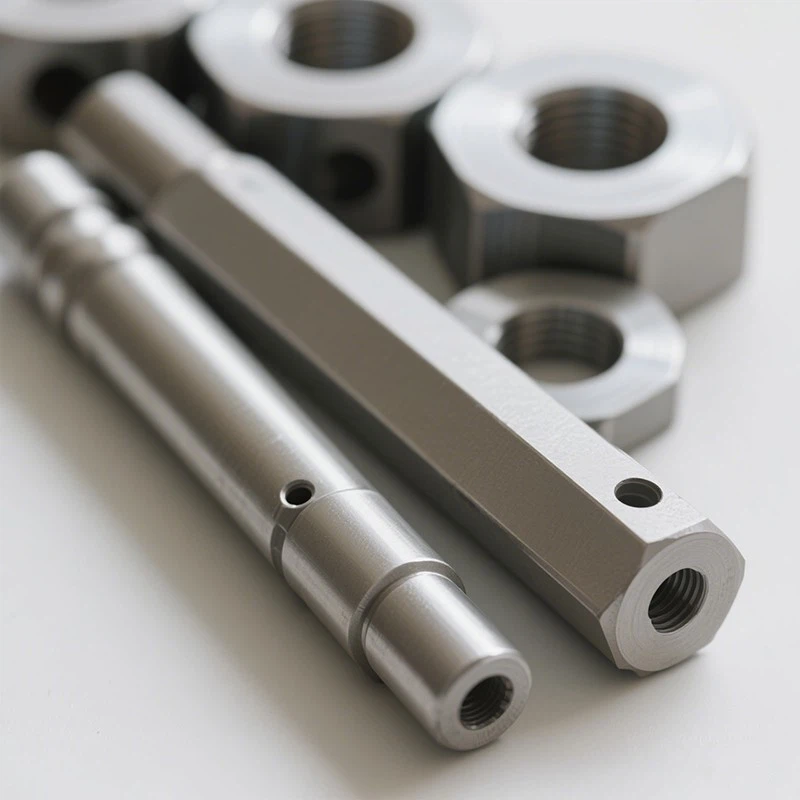

Moreover, the closed end of the capnut can trap air or debris inside during installation. If there is debris in the capnut, it can prevent the nut from fully threading onto the bolt, leading to an incomplete or loose connection. In some cases, the trapped air can create a pressure build - up, making it even harder to tighten the capnut to the required torque.
3. Higher Cost
Capnuts generally come with a higher price tag compared to other common nuts like Long Hex Nut or regular hex nuts. The manufacturing process of capnuts is more complex as it involves creating a closed end, which requires additional steps and machinery. The cost of raw materials can also be higher, especially if the capnuts are made from specialized materials such as stainless steel or other corrosion - resistant alloys.
For large - scale projects, the increased cost of using capnuts can add up significantly. This can be a major deterrent for budget - conscious clients, especially those in industries where cost - effectiveness is a top priority. For example, in the construction of low - cost housing or mass - produced consumer goods, the higher cost of capnuts may make them an unviable option.
4. Limited Load - Bearing Capacity
In terms of load - bearing capacity, capnuts may not be as strong as some other types of nuts. The closed end of the capnut can reduce the effective cross - sectional area of the threads engaged with the bolt. This reduction in the engaged thread area means that capnuts may not be able to withstand as much axial load as open - end nuts.
In high - stress applications, such as heavy - duty machinery or structural engineering projects, the limited load - bearing capacity of capnuts can be a significant drawback. Engineers need to carefully consider the load requirements of the application and may need to choose alternative nuts that can handle the expected loads more effectively.
5. Difficulty in Inspection
Inspecting the connection between a capnut and a bolt can be difficult due to the closed - end design. It's challenging to visually check if the capnut is properly tightened or if there is any damage to the threads inside the capnut. In industries where safety and reliability are critical, such as aerospace or nuclear power plants, regular inspection of fasteners is essential to prevent failures.
Without proper inspection, issues such as loose capnuts or thread damage may go unnoticed until it's too late. This can lead to serious safety hazards and costly repairs. For example, in an aircraft, a loose capnut could cause components to come loose during flight, potentially leading to a catastrophic failure.
6. Compatibility Issues
Capnuts may not be compatible with all types of bolts. Some specialized bolts, such as those with non - standard thread pitches or diameters, may not fit properly with capnuts. This can be a problem in custom - built machinery or in applications where non - standard fasteners are used.
Even when the bolt and capnut have the same nominal thread size, differences in manufacturing tolerances can lead to compatibility issues. A slightly oversized or undersized bolt may not engage properly with the capnut, resulting in a loose or unreliable connection.
7. Aesthetic Limitations
While capnuts are often chosen for their aesthetic appeal, they may not always meet the aesthetic requirements of every project. In some modern or minimalist designs, the shape and appearance of capnuts may be considered too bulky or old - fashioned. For example, in high - end furniture design or architectural applications where a sleek and clean look is desired, capnuts may not blend in well with the overall design.
In addition, the color and finish of capnuts may not always match the surrounding components. This can be a problem in projects where a uniform appearance is important, such as in the production of consumer electronics or automotive interiors.
Despite these disadvantages, capnuts still have their place in many applications. They are ideal for situations where thread protection and a certain level of aesthetic appeal are required. If you're still considering using capnuts for your project, I'd be more than happy to discuss your specific needs with you. Whether you're looking for Stainless Steel Nut or other types of capnuts, you can explore our product range at Capnuts. Feel free to reach out for a detailed discussion about how capnuts can work for your project, taking into account both their advantages and disadvantages.
References
- "Corrosion in Marine Environments: A Comprehensive Study", Journal of Marine Engineering, 20XX.
- "Fastener Installation and Inspection Guidelines", Industrial Fastener Institute, 20XX.
- "Aesthetic Considerations in Design and Manufacturing", Design World Magazine, 20XX.