

In the world of hydraulic systems, Metric To JIC Adapters play a crucial role in ensuring seamless connections between components with different thread standards. As a trusted supplier of these adapters, I understand the importance of optimizing their performance to meet the diverse needs of our customers. In this blog post, I will share some valuable insights and practical tips on how to enhance the performance of Metric To JIC Adapters.
Understanding the Basics of Metric To JIC Adapters
Before delving into optimization strategies, it's essential to have a clear understanding of what Metric To JIC Adapters are and how they work. Metric threads are commonly used in European and Asian hydraulic systems, while JIC (Joint Industry Council) threads are prevalent in North America. These adapters serve as a bridge between the two thread standards, allowing for the interchangeability of components from different regions.
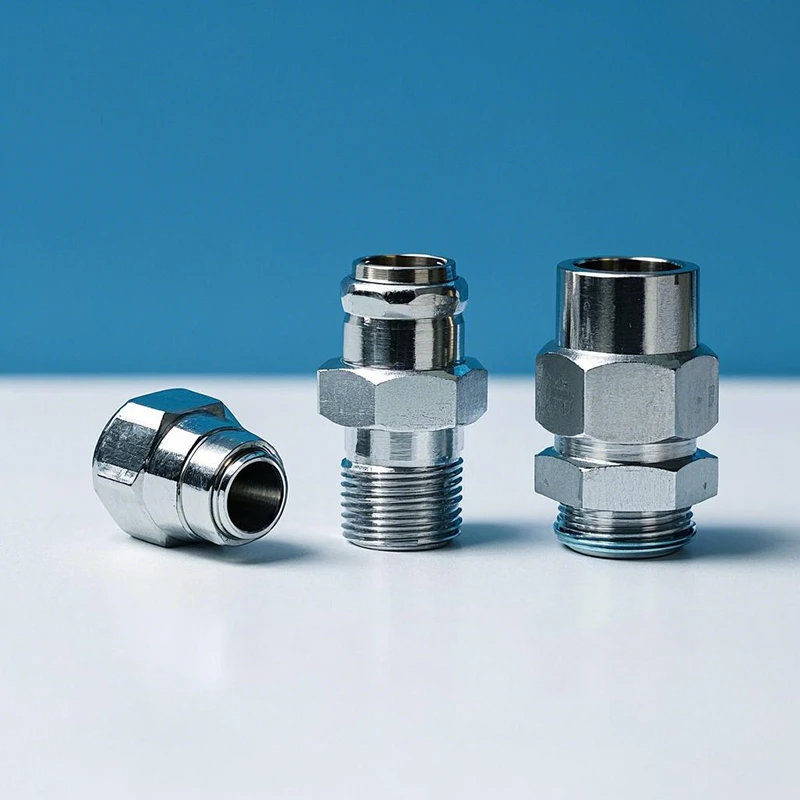
Metric To JIC Adapters are designed to provide a secure and leak-free connection between hydraulic hoses, fittings, and other components. They are typically made of high-quality materials such as steel, stainless steel, or brass to ensure durability and resistance to corrosion. The adapters come in various sizes and configurations to accommodate different applications and system requirements.
Factors Affecting the Performance of Metric To JIC Adapters
Several factors can influence the performance of Metric To JIC Adapters. Understanding these factors is crucial for identifying potential issues and implementing effective optimization strategies. Here are some key factors to consider:
Thread Compatibility
One of the most critical factors affecting the performance of Metric To JIC Adapters is thread compatibility. The adapter must have the correct thread size, pitch, and form to ensure a proper fit with the mating components. Using an adapter with incompatible threads can result in leaks, poor sealing, and even damage to the components.
Material Quality
The material quality of the adapter also plays a significant role in its performance. High-quality materials are more resistant to wear, corrosion, and fatigue, ensuring a longer service life and better performance. When selecting a Metric To JIC Adapter, it's important to choose one made from a suitable material for the specific application and operating conditions.
Installation Technique
Proper installation is essential for ensuring the optimal performance of Metric To JIC Adapters. Incorrect installation can lead to leaks, loose connections, and premature failure of the adapter. It's important to follow the manufacturer's installation instructions carefully and use the appropriate tools and techniques.
Operating Conditions
The operating conditions of the hydraulic system can also affect the performance of Metric To JIC Adapters. Factors such as pressure, temperature, vibration, and fluid compatibility can all impact the adapter's performance. It's important to select an adapter that is designed to withstand the specific operating conditions of the system.
Optimization Strategies for Metric To JIC Adapters
Now that we have a better understanding of the factors affecting the performance of Metric To JIC Adapters, let's explore some optimization strategies that can help improve their performance:
Select the Right Adapter
The first step in optimizing the performance of Metric To JIC Adapters is to select the right adapter for the specific application. Consider factors such as thread compatibility, material quality, size, and configuration when choosing an adapter. It's also important to choose an adapter from a reputable supplier to ensure its quality and reliability.
Ensure Proper Installation
Proper installation is crucial for ensuring the optimal performance of Metric To JIC Adapters. Follow the manufacturer's installation instructions carefully and use the appropriate tools and techniques. Make sure to clean the threads of the mating components before installation to remove any dirt, debris, or contaminants. Apply a suitable thread sealant or tape to the threads to prevent leaks.
Use High-Quality Materials
Using high-quality materials is essential for ensuring the durability and performance of Metric To JIC Adapters. Choose an adapter made from a suitable material for the specific application and operating conditions. Stainless steel and brass are commonly used materials for Metric To JIC Adapters due to their corrosion resistance and durability.
Maintain the Adapter
Regular maintenance is important for ensuring the long-term performance of Metric To JIC Adapters. Inspect the adapter regularly for signs of wear, damage, or leaks. Replace any worn or damaged components immediately to prevent further damage to the system. Clean the adapter periodically to remove any dirt, debris, or contaminants.
Consider Upgrading the Adapter
If you are experiencing performance issues with your Metric To JIC Adapters, consider upgrading to a higher-quality adapter. Newer adapter designs may offer improved performance, durability, and sealing capabilities. Consult with a hydraulic system expert or adapter supplier to determine if an upgrade is necessary.
Applications of Metric To JIC Adapters
Metric To JIC Adapters are used in a wide range of hydraulic applications, including:
Industrial Machinery
In industrial machinery, Metric To JIC Adapters are used to connect hydraulic hoses, fittings, and other components. They are commonly used in manufacturing equipment, construction machinery, and agricultural machinery.
Automotive Industry
In the automotive industry, Metric To JIC Adapters are used in hydraulic systems such as power steering, braking, and suspension systems. They are also used in automotive repair and maintenance.
Aerospace Industry
In the aerospace industry, Metric To JIC Adapters are used in hydraulic systems such as landing gear, flight control, and fuel systems. They are designed to meet the strict requirements of the aerospace industry, including high pressure, temperature, and vibration resistance.

Marine Industry
In the marine industry, Metric To JIC Adapters are used in hydraulic systems such as steering, winches, and cranes. They are designed to withstand the harsh marine environment, including saltwater corrosion and extreme temperatures.
Conclusion
Optimizing the performance of Metric To JIC Adapters is essential for ensuring the reliability and efficiency of hydraulic systems. By understanding the factors affecting the performance of these adapters and implementing effective optimization strategies, you can improve their performance, durability, and sealing capabilities. Remember to select the right adapter for the specific application, ensure proper installation, use high-quality materials, maintain the adapter regularly, and consider upgrading if necessary.
If you are in need of high-quality Metric To JIC Adapters or other Adapter Hydraulic Hose Fittings, Hydraulic Swivel Connector, or Threaded Pipe Flange, please feel free to contact us. We are a leading supplier of hydraulic components and can provide you with the products and services you need to optimize the performance of your hydraulic systems.
References
- "Hydraulic Hose Fittings: A Comprehensive Guide." Hydraulics & Pneumatics, 2023.
- "Metric and JIC Thread Standards." Fluid Power Journal, 2022.
- "Optimizing Hydraulic System Performance." Industrial Hydraulics Magazine, 2021.