

Hey there! As a welded flange supplier, I've seen firsthand how crucial it is for these components to have good corrosion resistance. Corrosion can not only reduce the lifespan of welded flanges but also pose safety risks in various applications. So, in this blog, I'm gonna share some tips on how to improve the corrosion resistance of welded flanges.
Choose the Right Material
One of the most important factors in improving corrosion resistance is selecting the appropriate material for your welded flanges. Different materials have different levels of resistance to corrosion, so it's essential to choose one that suits your specific application.
- Stainless Steel: Stainless steel is a popular choice for welded flanges due to its excellent corrosion resistance. It contains chromium, which forms a passive oxide layer on the surface of the steel, protecting it from corrosion. There are different grades of stainless steel available, such as 304 and 316, each with varying levels of corrosion resistance. For example, 316 stainless steel has a higher molybdenum content, making it more resistant to corrosion in harsh environments, such as those containing chlorides. You can check out our Stainless Steel Socket Weld Flange for a high - quality stainless - steel option.
- Alloy Steels: Alloy steels are another option. They are made by adding various alloying elements to carbon steel to enhance its properties, including corrosion resistance. Some alloy steels are specifically designed for use in corrosive environments, such as those with high temperatures or exposure to chemicals.
Proper Welding Techniques
The welding process can have a significant impact on the corrosion resistance of welded flanges. Poor welding can create areas where corrosion is more likely to occur, such as weld defects or areas with a different microstructure.
- Clean the Welding Area: Before welding, it's crucial to clean the surfaces of the flanges thoroughly. Any dirt, grease, or rust on the surface can affect the quality of the weld and increase the risk of corrosion. Use a wire brush or a suitable cleaning solvent to remove these contaminants.
- Use the Right Welding Consumables: Selecting the appropriate welding consumables is essential. They should be compatible with the base material of the flanges to ensure a strong and corrosion - resistant weld. For example, when welding stainless - steel flanges, use stainless - steel welding rods or wires with a similar composition to the base material.
- Control the Welding Parameters: Parameters such as welding current, voltage, and travel speed can affect the quality of the weld. Improper parameters can lead to issues like porosity, lack of fusion, or excessive heat input, which can all reduce the corrosion resistance of the weld. Make sure to follow the recommended welding parameters for the specific material and welding process.
Surface Treatment
Surface treatment can significantly enhance the corrosion resistance of welded flanges. There are several methods available, and the choice depends on the application and the material of the flanges.
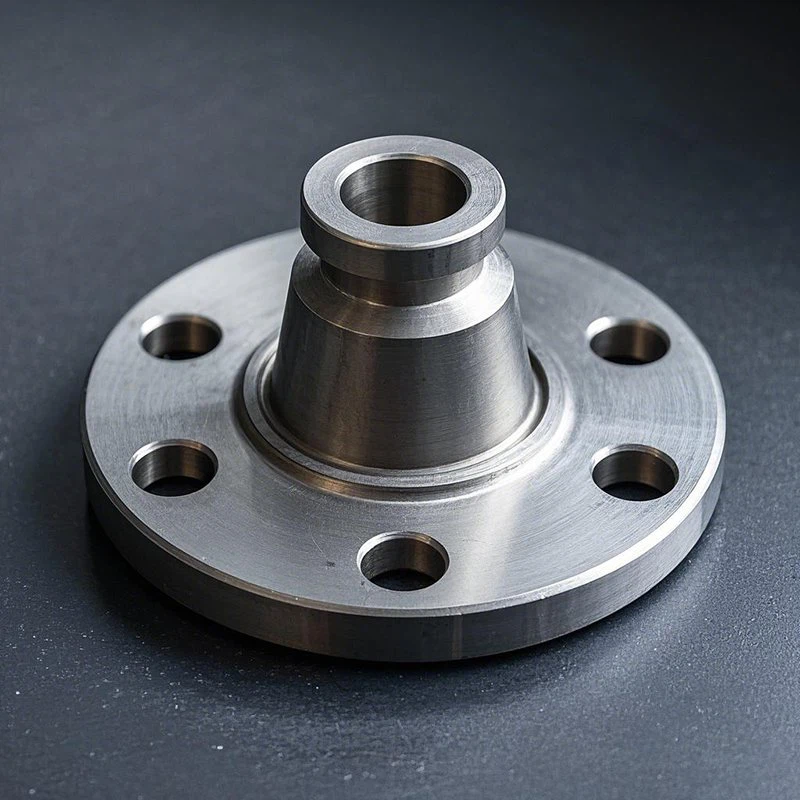
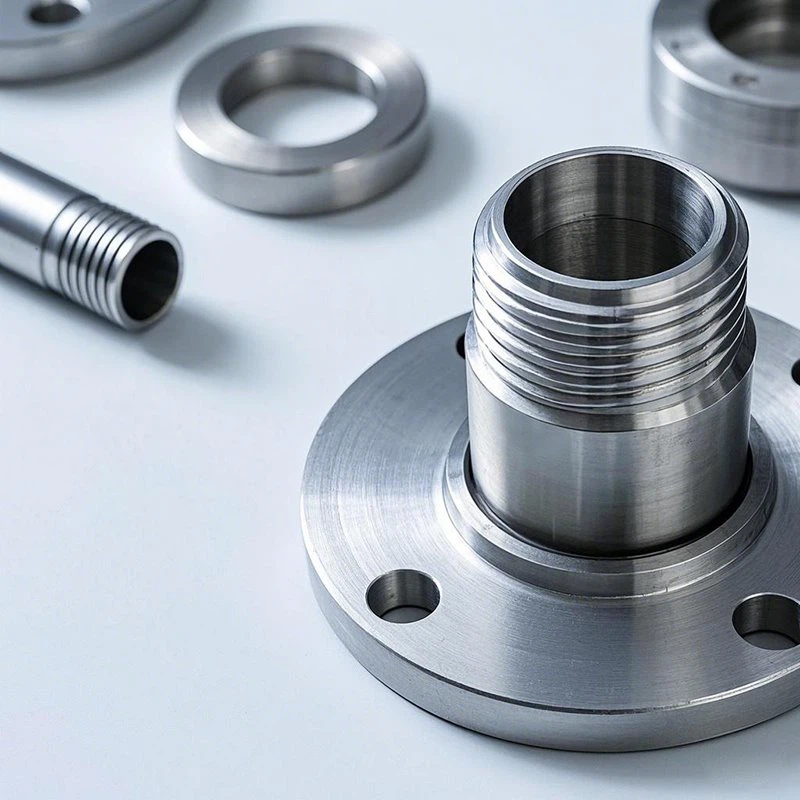
- Coating: Applying a protective coating is a common way to prevent corrosion. There are different types of coatings, such as epoxy coatings, zinc coatings, and paint coatings. Epoxy coatings are highly resistant to chemicals and abrasion, making them suitable for use in harsh environments. Zinc coatings, on the other hand, provide sacrificial protection to the base metal. They corrode preferentially, protecting the underlying steel from corrosion.
- Passivation: Passivation is a chemical treatment process used mainly for stainless - steel flanges. It removes free iron from the surface of the stainless steel and enhances the formation of the passive oxide layer. This process can improve the corrosion resistance of the flanges, especially in environments where there is a risk of rust staining.
Environmental Considerations
The environment in which the welded flanges are used also plays a crucial role in their corrosion resistance.
- Avoid Harsh Chemicals: If possible, try to avoid exposing the flanges to harsh chemicals that can cause corrosion. For example, in industrial settings, certain acids, alkalis, or salts can accelerate the corrosion process. If exposure is unavoidable, take appropriate measures, such as using protective coatings or choosing a more corrosion - resistant material.
- Control Humidity and Temperature: High humidity and temperature can increase the rate of corrosion. In environments with high humidity, it's important to ensure proper ventilation to reduce the moisture content in the air. Also, consider using insulation or cooling systems to control the temperature around the flanges.
Regular Inspection and Maintenance
Regular inspection and maintenance are essential to ensure the long - term corrosion resistance of welded flanges.
- Visual Inspection: Conduct regular visual inspections to check for signs of corrosion, such as rust, pitting, or discoloration. If any signs of corrosion are detected, take immediate action to address the issue. This may involve cleaning the surface, applying a new coating, or replacing the affected flange.
- Non - Destructive Testing: Non - destructive testing methods, such as ultrasonic testing or magnetic particle testing, can be used to detect internal defects or corrosion that may not be visible to the naked eye. These tests can help identify potential problems early and prevent further damage.
Case Studies
Let me share a couple of real - life examples to illustrate the importance of these measures.
- Case 1: A chemical processing plant was using carbon - steel welded flanges in a pipeline carrying a corrosive chemical. Initially, they didn't pay much attention to corrosion prevention. After a few months, they noticed significant corrosion on the flanges, which led to leaks and production downtime. They then replaced the carbon - steel flanges with Flange with Orifice Welding Neck made of 316 stainless steel and applied an epoxy coating. Since then, they haven't faced any major corrosion issues, and the lifespan of the flanges has increased significantly.
- Case 2: An offshore oil rig was using welded flanges in a seawater - exposed environment. The flanges were initially coated with a basic paint, but the coating started to peel off due to the harsh marine conditions. After conducting a proper surface treatment, including shot - blasting and applying a high - performance zinc - rich primer followed by a topcoat, the corrosion rate of the flanges decreased dramatically, and the need for frequent replacements was reduced.
In conclusion, improving the corrosion resistance of welded flanges requires a combination of choosing the right material, using proper welding techniques, applying surface treatments, considering the environment, and conducting regular inspection and maintenance. By following these steps, you can ensure that your welded flanges have a long lifespan and perform reliably in various applications.
If you're in the market for high - quality welded flanges with excellent corrosion resistance, we're here to help. Whether you need Stainless Steel Socket Weld Flange, Long Weld Neck Flange, or Flange with Orifice Welding Neck, we've got you covered. Feel free to reach out to us for more information and to start a procurement discussion.
References
- Fontana, M. G. (1986). Corrosion Engineering. McGraw - Hill.
- Uhlig, H. H., & Revie, R. W. (1985). Corrosion and Corrosion Control. Wiley - Interscience.
- Welding Handbook, American Welding Society.