

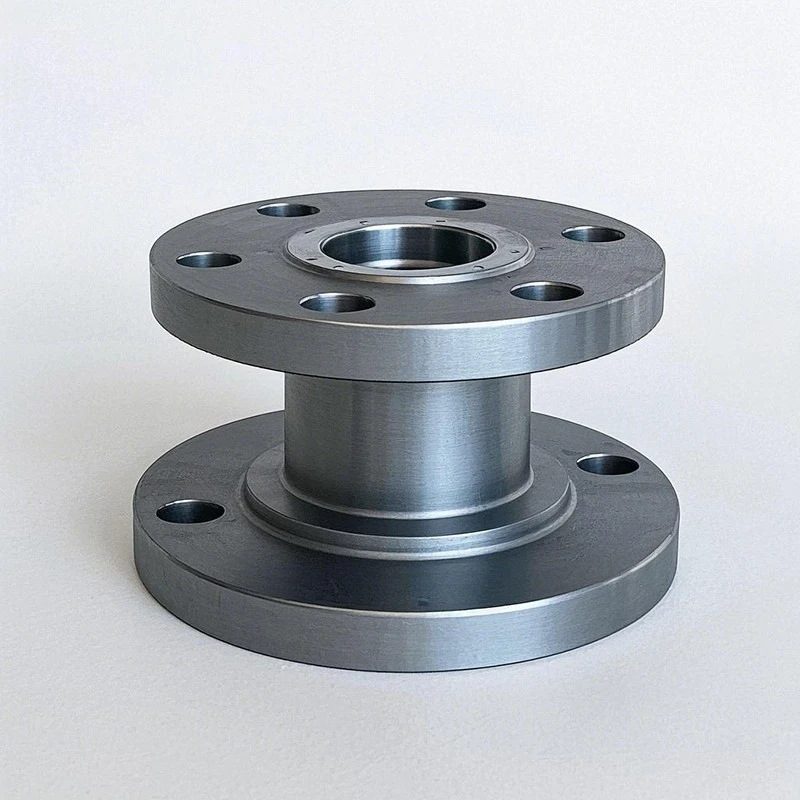
As a seasoned supplier of welded flanges, I understand the critical importance of surface finish in these components. The surface finish of welded flanges not only affects their aesthetic appeal but also plays a significant role in their functionality, durability, and performance. In this blog post, I will share some valuable insights on how to ensure the surface finish of welded flanges.

Understanding the Importance of Surface Finish
Before delving into the methods of achieving a high - quality surface finish, it's essential to understand why it matters. A smooth and consistent surface finish on welded flanges can prevent corrosion by reducing the surface area exposed to corrosive agents. It also improves the sealing performance when the flange is connected to other components, minimizing the risk of leaks. Additionally, a good surface finish enhances the mechanical properties of the flange, such as fatigue resistance.
Material Selection
The choice of material is the first step in ensuring a good surface finish. High - quality base materials are less likely to have internal defects that could surface during the welding and finishing processes. For example, using stainless steel with a proper grade and composition can provide better corrosion resistance and a more uniform surface. When selecting the material, consider factors like the operating environment, pressure, and temperature requirements of the application.
Welding Process Control
The welding process has a direct impact on the surface finish of the flange. Here are some key points to consider:
- Welding Technique: Choose the appropriate welding technique based on the type of flange and the material. For instance, TIG (Tungsten Inert Gas) welding is often preferred for its precision and ability to produce a clean weld bead. MIG (Metal Inert Gas) welding can be faster but may require more post - welding cleaning.
- Welding Parameters: Proper control of welding parameters such as current, voltage, and welding speed is crucial. Incorrect parameters can lead to issues like excessive spatter, uneven weld beads, or porosity, all of which can negatively affect the surface finish.
- Welder Skill: Ensure that the welders are well - trained and experienced. A skilled welder can make a significant difference in the quality of the weld and, consequently, the surface finish.
Post - Welding Cleaning
After welding, the flange needs to be thoroughly cleaned to remove any welding residues, such as slag, spatter, and oxides.
- Mechanical Cleaning: This can involve using wire brushes, grinding wheels, or sandblasting. Wire brushing is suitable for removing loose debris, while grinding can be used to smooth out rough areas and uneven weld beads. Sandblasting is an effective method for removing stubborn oxides and achieving a uniform surface texture.
- Chemical Cleaning: Chemical cleaning agents can be used to dissolve and remove oxides and contaminants. However, it's important to choose the right chemical for the material of the flange. For example, pickling solutions are commonly used for stainless steel flanges to remove welding - induced oxides and passivate the surface.
Surface Treatment
Surface treatment can further enhance the surface finish and protect the flange from corrosion.
- Painting or Coating: Applying a protective paint or coating can provide an additional layer of defense against corrosion. There are various types of coatings available, such as epoxy coatings, which offer excellent chemical resistance, and zinc - rich coatings, which provide sacrificial protection.
- Plating: Plating processes like galvanizing (coating with zinc) or chrome plating can improve the corrosion resistance and appearance of the flange. Galvanizing is a popular choice for outdoor applications due to its long - lasting protection.
Inspection and Quality Control
Regular inspection is essential to ensure that the surface finish meets the required standards.
- Visual Inspection: This is the most basic form of inspection. A visual inspection can detect obvious defects such as cracks, porosity, or uneven surface texture.
- Surface Roughness Measurement: Using instruments like profilometers, the surface roughness can be measured to ensure that it falls within the specified range. This is important for applications where a smooth surface is critical for sealing or other functional requirements.
- Non - Destructive Testing (NDT): NDT methods such as ultrasonic testing, magnetic particle testing, or liquid penetrant testing can be used to detect internal defects that may not be visible on the surface but could affect the long - term performance of the flange.
Examples of Welded Flanges with Good Surface Finish
We offer a wide range of welded flanges with excellent surface finish, such as the Flat Face Weld Neck Flange, Flange with Orifice Welding Neck, and Weld Neck Blind Flange. These flanges are manufactured using the latest techniques and undergo strict quality control to ensure a high - quality surface finish.
Conclusion
Ensuring the surface finish of welded flanges is a multi - step process that involves careful material selection, precise welding, thorough cleaning, appropriate surface treatment, and strict quality control. By following these steps, we can provide our customers with welded flanges that not only meet but exceed their expectations in terms of surface finish, functionality, and durability.
If you are in the market for high - quality welded flanges with excellent surface finish, we invite you to contact us for a detailed discussion about your requirements. We are committed to providing the best products and services to meet your needs.
References
- ASME B16.5: Pipe Flanges and Flanged Fittings
- AWS D1.1: Structural Welding Code - Steel
- ISO 9001: Quality Management Systems