

Hey there! I'm a supplier of Hydraulic T Connectors, and I've seen firsthand how crucial it is to ensure the compatibility of these connectors with other components in a hydraulic system. In this blog, I'll share some tips and insights on how to make sure your Hydraulic T Connector works seamlessly with everything else.
First off, let's talk about what a Hydraulic T Connector is and what it does. A Hydraulic T Connector, as the name suggests, is shaped like the letter "T". It's used to split a single hydraulic line into two or combine two lines into one. This is super handy in hydraulic systems where you need to distribute fluid to multiple components or collect fluid from different sources. You can check out our range of Hydraulic T Connector on our website.
Understanding Compatibility Basics
The key to ensuring compatibility starts with understanding the basic requirements of your hydraulic system. You need to know the pressure rating, flow rate, and the type of fluid that will be used in the system. These factors will determine the specifications of the Hydraulic T Connector you need.
Pressure Rating
The pressure rating of a Hydraulic T Connector is one of the most important factors. If the connector can't handle the pressure in your system, it can lead to leaks, failures, and even dangerous situations. Make sure to choose a connector with a pressure rating that is equal to or higher than the maximum pressure in your hydraulic system. For example, if your system operates at a maximum pressure of 3000 psi, you should select a Hydraulic T Connector with a pressure rating of at least 3000 psi.
Flow Rate
The flow rate is another critical aspect. The connector should be able to handle the volume of fluid flowing through it without causing excessive pressure drops. If the flow rate is too high for the connector, it can lead to inefficiencies in the system. Calculate the required flow rate based on the needs of your components and choose a connector that can accommodate that flow.
Fluid Type
Different fluids have different properties, and the Hydraulic T Connector needs to be compatible with the fluid used in your system. Some fluids, like hydraulic oil, are common, but there are also other types such as water-glycol mixtures or synthetic fluids. Make sure the connector is made from materials that can resist corrosion and degradation from the specific fluid.
Matching with Other Components
Once you have a good understanding of the basic requirements, it's time to focus on matching the Hydraulic T Connector with other components in the system.

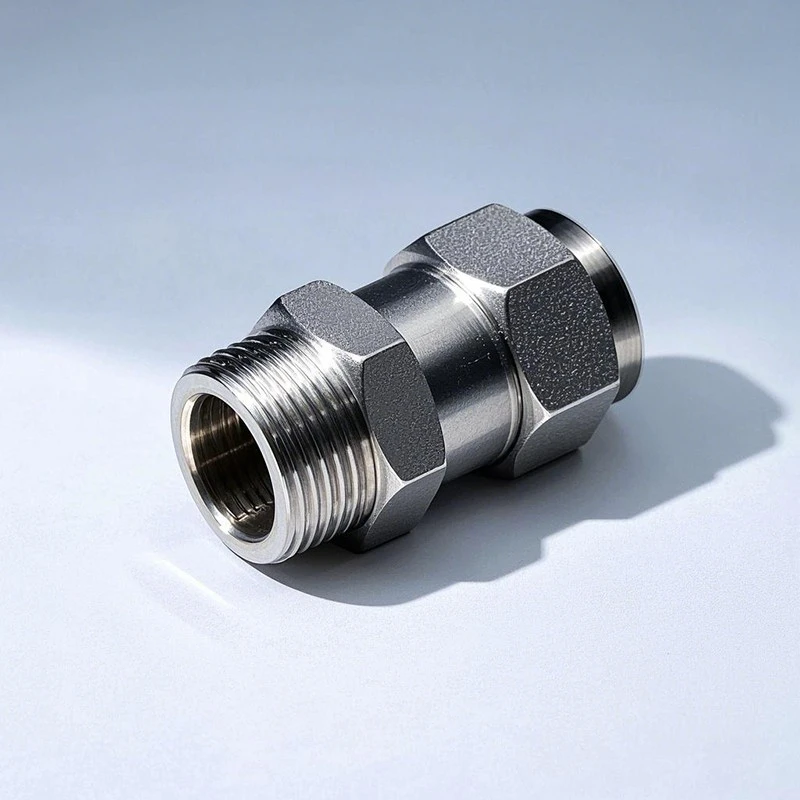
Hoses and Fittings
Hoses and fittings are the most common components that connect to the Hydraulic T Connector. You need to ensure that the thread size and type of the connector match those of the hoses and fittings. For example, if your hoses have a 1/2 - inch NPT (National Pipe Thread) fitting, the Hydraulic T Connector should also have a 1/2 - inch NPT connection. Using mismatched threads can lead to leaks and poor performance.
You can find a variety of hoses and fittings on our website, including Hydraulic Hose Quick Coupler and High Pressure Hose Pipe Connector. These products are designed to work well with our Hydraulic T Connectors.
Valves and Actuators
Valves and actuators are also important components in a hydraulic system. The Hydraulic T Connector should be able to connect to these components smoothly. Consider the size and orientation of the ports on the valves and actuators when choosing a connector. Make sure the connector can be installed in a way that allows for easy access and proper operation of the valves and actuators.
Installation and Testing
Proper installation is crucial for ensuring compatibility. Follow the manufacturer's instructions carefully when installing the Hydraulic T Connector. Use the right tools and techniques to make sure the connections are tight and secure.
Sealing
Sealing is an important part of the installation process. Use high - quality seals and gaskets to prevent leaks. Make sure the seals are the right size and material for the application. Check the seals regularly for wear and tear and replace them if necessary.
Testing
After installation, it's essential to test the system. Start with a low - pressure test to check for any leaks or abnormal noises. Gradually increase the pressure to the normal operating level and monitor the system closely. If you notice any issues, such as leaks or pressure drops, stop the system immediately and troubleshoot the problem.
Maintenance and Monitoring
Once the system is up and running, regular maintenance and monitoring are necessary to ensure continued compatibility.
Fluid Analysis
Regularly analyze the hydraulic fluid to check for contaminants and changes in its properties. Contaminated fluid can cause damage to the Hydraulic T Connector and other components. If the fluid analysis shows any problems, take appropriate measures such as changing the fluid or adding filters.
Visual Inspection
Perform visual inspections of the Hydraulic T Connector and other components regularly. Look for signs of wear, corrosion, or damage. Check the connections for tightness and make sure there are no loose fittings.
Conclusion
Ensuring the compatibility of a Hydraulic T Connector with other components is a multi - step process that involves understanding the system requirements, matching with other components, proper installation, and regular maintenance. By following these steps, you can ensure that your hydraulic system operates smoothly and efficiently.
If you're in the market for a Hydraulic T Connector or have any questions about compatibility, feel free to reach out to us. We're here to help you find the right products for your needs and ensure that they work well together. Let's start a conversation about your hydraulic system requirements and see how we can assist you in achieving optimal performance.
References
- "Hydraulic Systems Handbook"
- Manufacturer's manuals for Hydraulic T Connectors, hoses, valves, and actuators.