

How much weight can a hex nut support?
As a seasoned supplier of hex nuts, I often get asked the question: "How much weight can a hex nut support?" It's a crucial inquiry, especially for industries where structural integrity and load - bearing capacity are of utmost importance. In this blog, I'll delve into the factors that determine a hex nut's weight - bearing capacity and provide some practical insights.
1. Material Composition
The material from which a hex nut is made plays a fundamental role in its weight - bearing capacity. Different materials have varying mechanical properties such as tensile strength, yield strength, and hardness.
- Steel Hex Nuts: Steel is one of the most common materials for hex nuts. Carbon steel hex nuts are widely used due to their relatively high strength and affordability. High - carbon steel hex nuts can withstand significant loads. For example, a grade 8 steel hex nut has a minimum tensile strength of around 150,000 psi (pounds per square inch). This high strength allows it to support heavy weights in applications like automotive engines, construction machinery, and large - scale building structures.
- Stainless Steel Hex Nuts: Stainless steel hex nuts offer corrosion resistance in addition to decent strength. Austenitic stainless steels, such as 304 and 316, are commonly used. While they may not have the same high - end strength as some high - carbon steels, they are still suitable for many applications. For instance, in marine environments where corrosion is a major concern, stainless steel hex nuts can support substantial weights in boat building and offshore platforms.
- Brass Hex Nuts: Brass hex nuts are known for their good machinability and corrosion resistance in certain environments. However, their strength is generally lower compared to steel. They are often used in applications where electrical conductivity is required or in less - demanding mechanical assemblies. For example, in some decorative or low - load electrical fixtures, brass hex nuts can be used.
2. Size and Dimensions
The size of a hex nut also has a direct impact on its weight - bearing capacity.
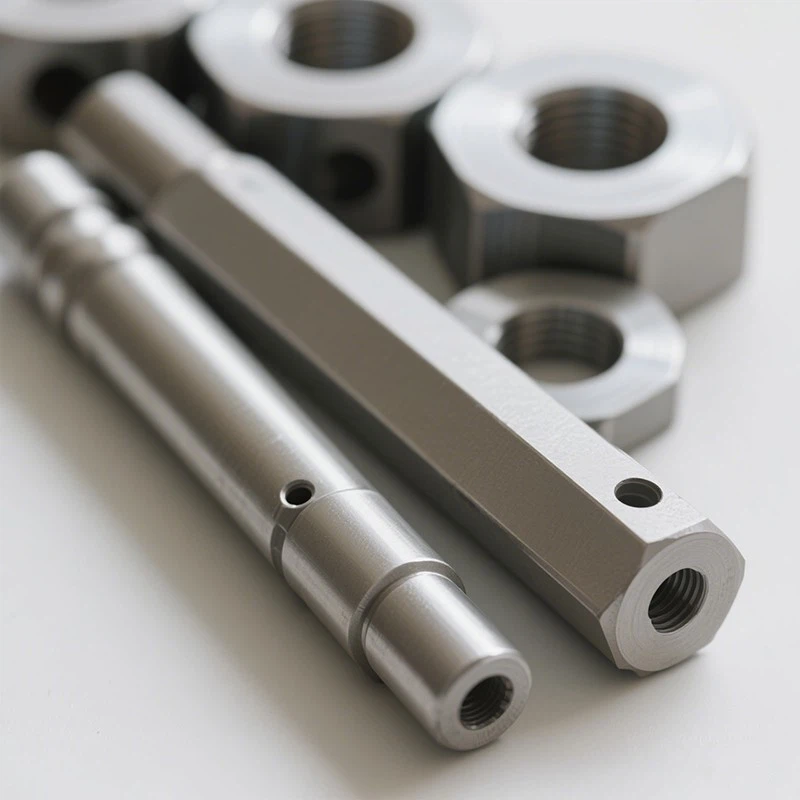

- Diameter: A larger - diameter hex nut typically has a greater cross - sectional area, which means it can distribute the load over a larger area. For example, a 1 - inch diameter hex nut can generally support more weight than a 1/4 - inch diameter hex nut. This is because the larger nut has more material to resist the forces applied to it.
- Height: The height of the hex nut also matters. A taller hex nut provides more thread engagement with the bolt, which increases the overall strength of the connection. Long hex nuts, such as those available at Long Hex Nut, are designed to provide extra thread engagement, making them suitable for applications where high loads are expected or where the bolt may be subject to vibration or shock.
3. Thread Design
The thread design of a hex nut is another critical factor.
- Thread Pitch: A finer thread pitch generally provides more contact area between the nut and the bolt. This increased contact area distributes the load more evenly, allowing the nut to support a greater weight. Coarse - threaded nuts are often used in applications where quick assembly and disassembly are required, but they may have a slightly lower weight - bearing capacity compared to fine - threaded nuts in some cases.
- Thread Quality: The quality of the thread manufacturing is also important. Well - formed threads with proper tolerances ensure a tight and secure fit with the bolt. Any defects in the thread, such as incomplete threads or excessive wear, can significantly reduce the nut's weight - bearing capacity.
4. Application Conditions
The conditions under which the hex nut is used can greatly affect its performance.
- Static vs. Dynamic Loads: A hex nut may be subjected to static loads, where the weight is constant, or dynamic loads, where the weight varies over time. Dynamic loads, such as those caused by vibration or shock, can be more challenging for a hex nut to handle. For example, in a vehicle engine, the hex nuts are exposed to dynamic loads due to the engine's operation. Special considerations, such as using locking nuts or proper torqueing, are required to ensure the nut can support the weight under these conditions.
- Environmental Factors: Environmental factors like temperature, humidity, and the presence of chemicals can also impact a hex nut's weight - bearing capacity. High temperatures can reduce the strength of some materials, while humidity and chemicals can cause corrosion, weakening the nut over time. For example, in a chemical processing plant, the hex nuts need to be made of materials that can resist the corrosive effects of the chemicals present.
5. Testing and Standards
To accurately determine the weight - bearing capacity of a hex nut, testing is essential.
- Tensile Testing: Tensile testing involves applying a pulling force to the nut until it fails. This test measures the maximum load the nut can withstand before breaking. Manufacturers often conduct these tests to ensure their products meet certain standards.
- Standards and Specifications: There are various national and international standards for hex nuts, such as ASTM (American Society for Testing and Materials) standards in the United States and ISO (International Organization for Standardization) standards globally. These standards define the requirements for material properties, dimensions, and performance of hex nuts. By adhering to these standards, manufacturers can ensure that their hex nuts have a predictable and reliable weight - bearing capacity.
Real - World Examples
Let's look at some real - world applications to understand how these factors come into play.
- Construction Industry: In building construction, hex nuts are used to secure structural steel members. High - strength steel hex nuts are essential to support the massive weights of the building. For example, in a high - rise building, the hex nuts used to connect the steel beams and columns must be able to withstand the static weight of the building as well as dynamic loads caused by wind and seismic activity.
- Automotive Industry: In automobiles, hex nuts are used in engines, transmissions, and suspension systems. These nuts need to support varying loads depending on the application. For example, the hex nuts used to secure the engine block to the chassis must be able to handle the vibrations and forces generated by the engine's operation.
Conclusion
Determining how much weight a hex nut can support is a complex process that involves considering multiple factors such as material composition, size and dimensions, thread design, and application conditions. As a hex nut supplier, I understand the importance of providing products that meet the specific requirements of different industries. Whether you need a Hex Head Barrel Nut for a specialized application or a Domed Nut for a decorative touch, we have a wide range of hex nuts to suit your needs.
If you are in the market for high - quality hex nuts and want to discuss your specific load - bearing requirements, I encourage you to reach out. Our team of experts can help you select the right hex nuts for your application and ensure that you get the best performance and reliability.
References
- ASTM International. (Year). ASTM standards for fasteners.
- ISO. (Year). ISO standards for nuts and bolts.
- Machinery's Handbook. (Year). Industrial Press Inc.