

When it comes to fastening solutions, capnuts are a popular choice in various industries. Their unique design not only provides a secure connection but also offers protection to the bolt end. But how do capnuts perform in extreme temperatures? As a capnuts supplier, I have witnessed firsthand the challenges and advantages that these fasteners face under extreme thermal conditions.
Understanding Capnuts
Capnuts, also known as acorn nuts, are nuts with a domed end that covers the bolt threads. They are commonly used in applications where aesthetics, protection, and safety are important. Capnuts can be made from a variety of materials, including steel, stainless steel, brass, and nylon, each with its own set of properties and performance characteristics.
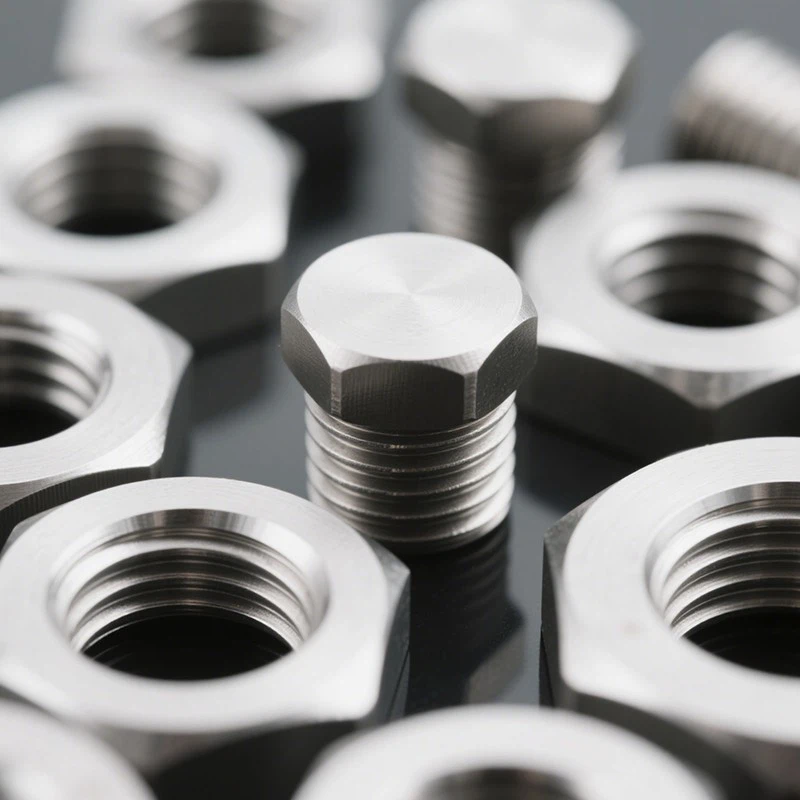
The Hex Bolt Nut is a type of capnut with a hexagonal shape, providing a larger surface area for tightening. The Long Hex Nut offers additional thread engagement, which can be beneficial in applications where a stronger connection is required. The Hexagon Cap Nut combines the features of a capnut with a hexagonal shape, making it easy to install and remove.
Performance in Extreme Cold
In extremely cold temperatures, materials can become brittle and lose their ductility. This can lead to cracking, fracturing, or failure of the capnut. The choice of material is crucial in cold environments. For example, stainless steel capnuts are a good option as they have a high resistance to corrosion and can maintain their mechanical properties at low temperatures.
However, even stainless steel has its limits. At very low temperatures, the toughness of stainless steel can decrease, increasing the risk of brittle fracture. To mitigate this risk, it is important to select capnuts that are specifically designed for cold environments. These capnuts may be made from special alloys or have been heat-treated to improve their cold temperature performance.
Another factor to consider in cold environments is the contraction of materials. As the temperature drops, the capnut and the bolt will contract, which can affect the tightness of the connection. This can lead to loosening of the fastener over time. To prevent this, it is important to use a locking mechanism, such as a lock washer or thread locker, to ensure a secure connection.
Performance in Extreme Heat
In high-temperature environments, capnuts face different challenges. The most significant challenge is the expansion of materials. As the temperature rises, the capnut and the bolt will expand, which can cause the connection to become loose. This can lead to vibrations, which can further loosen the fastener and potentially cause it to fail.
To prevent this, it is important to select capnuts that are made from materials with a low coefficient of thermal expansion. For example, ceramic capnuts have a very low coefficient of thermal expansion, making them suitable for high-temperature applications. Additionally, it is important to use a high-temperature lubricant to reduce friction and prevent galling.
Another challenge in high-temperature environments is the oxidation of materials. At high temperatures, metals can react with oxygen in the air, forming an oxide layer on the surface of the capnut. This oxide layer can cause the capnut to become brittle and lose its strength. To prevent this, it is important to select capnuts that are made from materials with a high resistance to oxidation, such as stainless steel or titanium.
Testing and Certification
To ensure the performance of capnuts in extreme temperatures, it is important to conduct testing and certification. Testing can include thermal cycling, where the capnut is subjected to repeated cycles of heating and cooling to simulate real-world conditions. This can help to identify any potential issues, such as cracking or loosening, before they occur in the field.
Certification is also important to ensure that the capnuts meet the required standards for performance and safety. There are several standards organizations, such as ASTM and ISO, that provide guidelines for the testing and certification of fasteners. By selecting capnuts that are certified to these standards, you can have confidence in their performance in extreme temperatures.
Conclusion
Capnuts are a versatile and reliable fastening solution that can perform well in a variety of environments, including extreme temperatures. However, it is important to select the right capnut for the application and to take into account the specific challenges of extreme temperatures. By choosing the right material, using a locking mechanism, and conducting testing and certification, you can ensure that your capnuts will provide a secure and reliable connection in even the most demanding conditions.
If you are interested in purchasing capnuts for your application, please contact us to discuss your requirements. We have a wide range of capnuts available in different materials, sizes, and styles, and our team of experts can help you select the right product for your needs.
References
- "Fastener Handbook," Industrial Fasteners Institute
- "Materials Science and Engineering: An Introduction," William D. Callister Jr. and David G. Rethwisch
- "ASTM Standards for Fasteners," ASTM International
- "ISO Standards for Fasteners," International Organization for Standardization