

Can capnuts be used in medical equipment? This is a question that often comes up in the medical and manufacturing industries. As a supplier of Capnuts, I have had the opportunity to explore this topic in depth and understand the potential applications and limitations of capnuts in medical equipment.
Understanding Capnuts
Capnuts, also known as acorn nuts, are a type of fastener that have a domed top, which covers the end of a bolt or screw. They are typically used to provide a finished appearance, protect the end of the fastener from damage, and prevent debris from entering the threads. Capnuts come in various sizes, materials, and finishes, making them suitable for a wide range of applications.
The most common types of capnuts include Capnuts, Hex Nut Screw, and Hexagon Cap Nut. Each type has its own unique features and benefits, which make them suitable for different applications.
Requirements for Medical Equipment
Medical equipment is subject to strict regulations and standards to ensure patient safety and effectiveness. These requirements include biocompatibility, sterilization, corrosion resistance, and mechanical strength. Any component used in medical equipment must meet these standards to be considered safe and suitable for use.
Biocompatibility is a crucial factor in medical equipment. The materials used in medical devices must not cause any adverse reactions in the human body. This means that the capnuts used in medical equipment must be made from materials that are non-toxic, non-irritating, and do not leach harmful substances.
Sterilization is another important requirement for medical equipment. Capnuts used in medical devices must be able to withstand the sterilization process without losing their integrity or functionality. Common sterilization methods include autoclaving, ethylene oxide sterilization, and gamma irradiation.
Corrosion resistance is essential for medical equipment, especially those used in wet or humid environments. Capnuts must be made from materials that are resistant to corrosion to ensure the long-term reliability and performance of the medical device.
Mechanical strength is also a key consideration. Capnuts must be able to withstand the forces and stresses applied during the operation of the medical equipment without breaking or deforming.
Suitability of Capnuts for Medical Equipment
In general, capnuts can be used in medical equipment, but it depends on the specific requirements of the application. Here are some factors to consider when determining the suitability of capnuts for medical equipment:
Material Selection
The choice of material is crucial when using capnuts in medical equipment. Stainless steel is a popular choice due to its excellent corrosion resistance, biocompatibility, and mechanical strength. Other materials, such as titanium and plastic, may also be suitable depending on the specific application.
Design and Size
The design and size of the capnuts must be carefully selected to ensure they fit properly and function as intended. Capnuts that are too large or too small may not provide a secure fit, which can lead to loosening or failure of the fastener.

Surface Finish
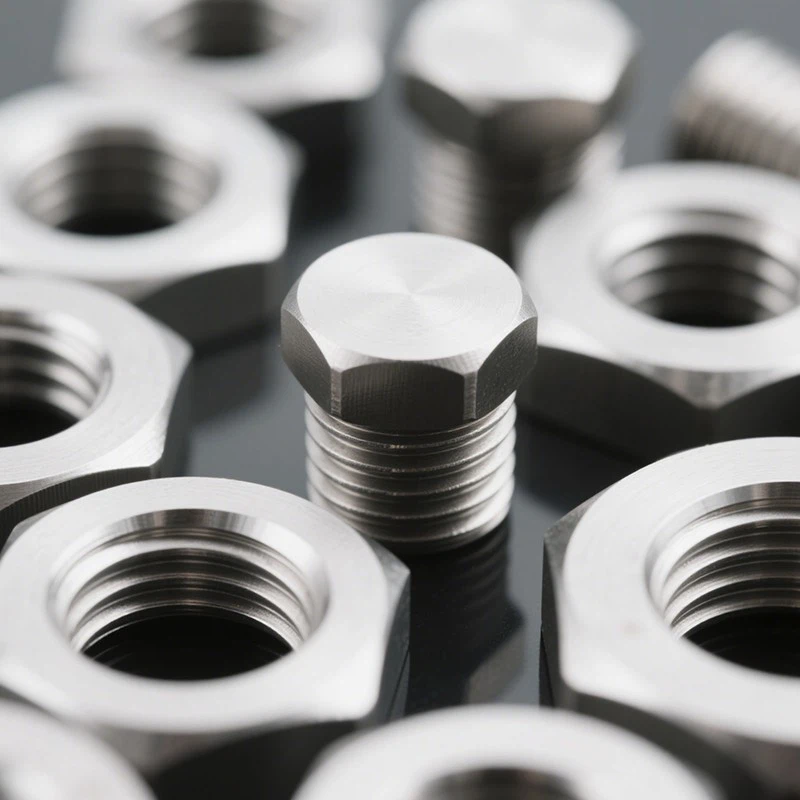
The surface finish of the capnuts can also affect their performance in medical equipment. A smooth and polished surface finish can reduce the risk of bacterial adhesion and make the capnuts easier to clean and sterilize.
Compatibility with Other Components
Capnuts must be compatible with other components in the medical equipment, such as bolts, screws, and washers. Incompatible components can lead to issues such as cross-threading, galling, or corrosion.
Applications of Capnuts in Medical Equipment
Capnuts can be used in a variety of medical equipment applications, including:
Surgical Instruments
Capnuts are used in surgical instruments to secure components and provide a finished appearance. They can be found in forceps, scissors, and other surgical tools.
Diagnostic Equipment
In diagnostic equipment, capnuts are used to fasten components such as sensors, monitors, and cables. They help to ensure the stability and reliability of the equipment.
Patient Care Equipment
Capnuts are also used in patient care equipment, such as hospital beds, wheelchairs, and infusion pumps. They play a role in securing various parts and keeping the equipment in good working condition.
Challenges and Considerations
While capnuts can be used in medical equipment, there are some challenges and considerations that need to be addressed:
Regulatory Compliance
Medical equipment is subject to strict regulatory requirements, and capnuts used in these applications must comply with relevant standards and regulations. This may require additional testing and certification to ensure compliance.
Cost
The cost of using capnuts in medical equipment can be a factor. High-quality materials and manufacturing processes may increase the cost of the capnuts. However, the long-term benefits of using reliable and safe components in medical equipment often outweigh the initial cost.
Customization
In some cases, medical equipment may require customized capnuts to meet specific design and performance requirements. This may involve working closely with a supplier to develop custom solutions.
Conclusion
In conclusion, capnuts can be used in medical equipment, but careful consideration must be given to the material selection, design, and regulatory requirements. As a Capnuts supplier, we understand the importance of providing high-quality products that meet the strict standards of the medical industry. Our Capnuts, Hex Nut Screw, and Hexagon Cap Nut are designed to meet the needs of medical equipment manufacturers, providing reliable and safe fastening solutions.
If you are interested in using capnuts in your medical equipment or have any questions about our products, please contact us for more information. We are committed to providing excellent customer service and helping you find the right solutions for your specific needs.
References
- ASTM International. (2019). Standard Specification for Stainless Steel Fasteners. ASTM F593-19.
- ISO 10993-1:2018. Biological evaluation of medical devices — Part 1: Evaluation and testing within a risk management process.
- FDA. (2023). Medical Device Regulations. Retrieved from FDA Website