

As a supplier of hydraulic T connectors, I often encounter questions from customers about the repair of these crucial components. Hydraulic T connectors play a vital role in hydraulic systems, allowing the flow of hydraulic fluid to be split or combined at a junction. But the question remains: can a hydraulic T connector be repaired?

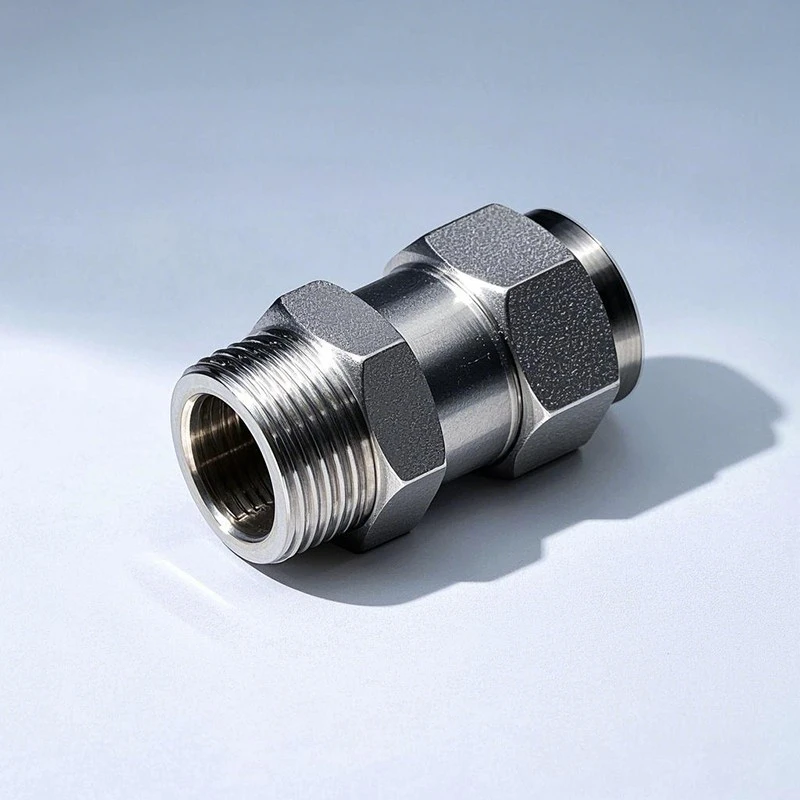
Understanding Hydraulic T Connectors
Before delving into the repair possibilities, it's essential to understand what hydraulic T connectors are and how they function. A hydraulic T connector is a fitting shaped like the letter "T," with one inlet and two outlets (or vice versa), used to distribute or combine the flow of hydraulic fluid. These connectors are typically made from high - strength materials such as steel, brass, or aluminum to withstand the high pressures within hydraulic systems.
The performance of a hydraulic T connector depends on its integrity. Any damage, such as cracks, leaks, or worn - out threads, can compromise the efficiency and safety of the entire hydraulic system. For instance, a small leak in a T connector can lead to a loss of hydraulic pressure, reduced system performance, and in severe cases, system failure.
Common Causes of Damage to Hydraulic T Connectors
- Pressure Overload: Hydraulic systems operate under high pressures. If the pressure exceeds the rated capacity of the T connector, it can cause the connector to crack or deform. This often happens when the system is misconfigured or when there is a sudden spike in pressure due to a malfunctioning component.
- Corrosion: Exposure to moisture, chemicals, or harsh environments can cause the T connector to corrode. Corrosion weakens the material, leading to leaks and eventual failure. For example, in marine applications, where the connectors are constantly exposed to saltwater, corrosion can be a significant problem.
- Vibration and Fatigue: Continuous vibration in a hydraulic system can cause the T connector to loosen or develop cracks over time. Fatigue failure occurs when the connector is subjected to repeated stress cycles, gradually weakening the material until it breaks.
Assessing the Repairability of Hydraulic T Connectors
The repairability of a hydraulic T connector depends on the type and extent of the damage.
- Minor Damage
- Loose Fittings: If the T connector is loose, it can often be tightened using the appropriate tools. This is a simple fix that can prevent leaks and restore the proper functioning of the connector. However, it's important to ensure that the tightening is done to the correct torque specification to avoid over - tightening, which can damage the threads.
- Surface Scratches: Minor surface scratches on the T connector may not affect its performance significantly. In some cases, these scratches can be smoothed out using a fine - grit sandpaper, and the connector can continue to be used.
- Moderate Damage
- Leaking Seals: If the leak is due to a damaged seal, the seal can be replaced. Most hydraulic T connectors use O - rings or other types of seals to prevent fluid leakage. Replacing a seal is a relatively straightforward process that requires removing the old seal and installing a new one of the correct size and material. However, it's important to ensure that the new seal is compatible with the hydraulic fluid used in the system.
- Worn Threads: In some cases, worn threads can be repaired using thread - repair kits. These kits typically include inserts or helicoils that can be installed to restore the integrity of the threads. However, this repair method is only suitable for minor thread damage.
- Severe Damage
- Cracks and Breaks: If the T connector has cracks or is broken, it is generally not advisable to repair it. Cracks can propagate under pressure, leading to sudden failure of the connector and potentially causing serious damage to the hydraulic system. In such cases, it is recommended to replace the T connector with a new one.
The Importance of Quality Repairs
If a hydraulic T connector is to be repaired, it is crucial to ensure that the repair is done correctly. Improper repairs can lead to further problems, such as leaks, reduced system performance, and even system failure. When performing repairs, it is essential to use high - quality replacement parts and follow the manufacturer's guidelines.
For example, if you are replacing a seal, make sure to use a seal that is made from a material that is compatible with the hydraulic fluid in the system. Using an incompatible seal can cause the seal to deteriorate quickly, leading to leaks. Similarly, when repairing threads, ensure that the thread - repair kit is suitable for the material and size of the T connector.
Alternatives to Repair
In some cases, it may be more cost - effective and safer to replace the hydraulic T connector rather than repair it. If the connector is old, has been damaged multiple times, or if the cost of repair is close to the cost of a new connector, replacement is often the best option.
When considering replacement, it's important to choose a high - quality replacement connector. As a supplier, we offer a wide range of hydraulic T connectors that are designed to meet the highest standards of quality and performance. In addition to T connectors, we also provide other hydraulic fittings such as High Pressure Hose Pipe Connector, Hydraulic Hose Quick Coupler, and Hydraulic Elbow Fitting.
Conclusion
In conclusion, whether a hydraulic T connector can be repaired depends on the type and extent of the damage. Minor damage such as loose fittings or surface scratches can often be repaired, while moderate damage like leaking seals or worn threads may also be fixable with the right tools and replacement parts. However, severe damage such as cracks and breaks usually requires the replacement of the connector.
As a supplier, we understand the importance of providing reliable hydraulic components. We are committed to helping our customers make the right decisions regarding the repair or replacement of their hydraulic T connectors. If you have any questions or need assistance with choosing the right hydraulic fitting for your application, please feel free to contact us for procurement and further discussions.
References
- "Hydraulic Fitting Handbook" by Parker Hannifin Corporation
- "Fluid Power Technology" by Arthur R. Slocum