

Hey there! As a supplier of hydraulic adapters, I often get asked about the installation angle requirements for these little but crucial components. So, let's dive right into it and explore what you need to know.

First off, why does the installation angle of hydraulic adapters matter? Well, it's all about ensuring proper functionality and preventing leaks. If the adapter isn't installed at the right angle, it can lead to all sorts of problems. For instance, an incorrect angle might cause uneven stress on the adapter and the connected components. This uneven stress can lead to premature wear and tear, and in the worst - case scenario, it can cause the adapter to fail, resulting in hydraulic fluid leaks.
Let's start with the basic types of hydraulic adapters. We've got Thread Nuts, Hydraulic Swivel Connector, and Threaded Pipe Flange. Each of these has its own specific installation angle requirements.
Thread Nuts
Thread nuts are used to connect different hydraulic components. When installing a thread nut, the angle is super important. Generally, it should be installed straight, with the axis of the nut aligned as closely as possible with the axis of the component it's being attached to. This alignment ensures a proper seal. If the thread nut is installed at an angle, the threads might not engage correctly. This can lead to a loose connection, which is a major no - no in hydraulic systems.
Most thread nuts are designed to be tightened with a specific torque. But even if you apply the right torque, an incorrect installation angle can still cause problems. For example, if the nut is tilted, the sealing surface might not make full contact, and that's where leaks can start. So, always make sure to check the alignment before tightening the thread nut.
Hydraulic Swivel Connector
Hydraulic swivel connectors are pretty cool because they allow for some movement. But that doesn't mean the installation angle doesn't matter. These connectors are designed to rotate, but they still need to be installed at the right initial angle.
When installing a hydraulic swivel connector, you want to make sure it's in a position where it can rotate freely without hitting any other components. If it's installed at an angle that restricts its movement, it can cause excessive wear on the internal parts. Also, the angle affects the flow of hydraulic fluid. If the connector is at a strange angle, it can disrupt the smooth flow of fluid, which can reduce the efficiency of the hydraulic system.
Threaded Pipe Flange
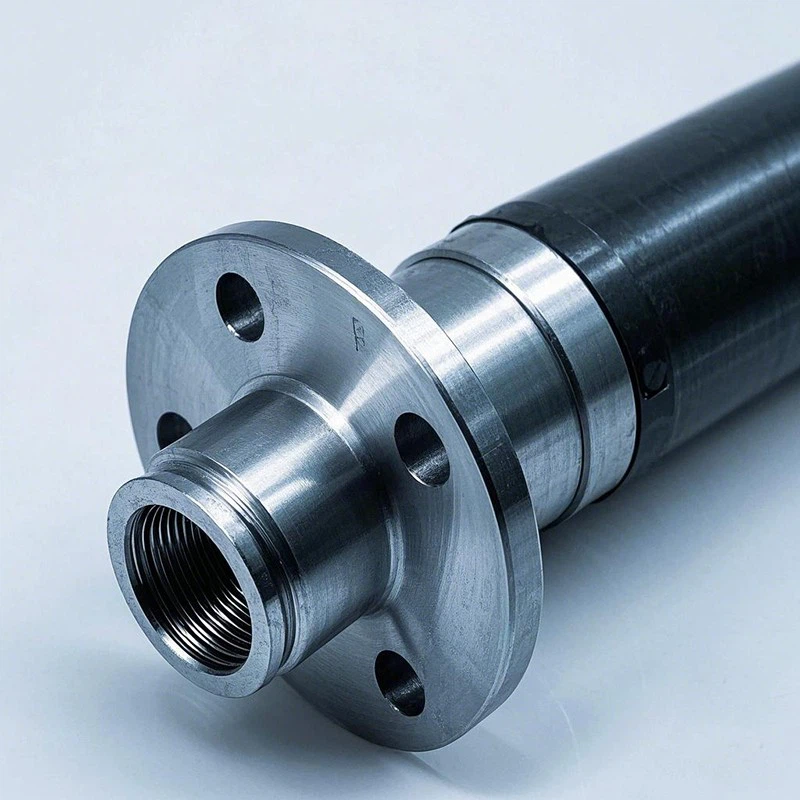
Threaded pipe flanges are used to connect pipes in hydraulic systems. The installation angle of a threaded pipe flange is crucial for a proper seal. The flange needs to be perpendicular to the pipe it's attached to. If it's off - angle, the gasket between the flange and the pipe won't seal properly. This can lead to leaks, and in some cases, it can even cause the flange to crack under pressure.
When installing a threaded pipe flange, it's a good idea to use a level to ensure it's straight. You also need to make sure that the bolts are tightened evenly. Uneven tightening can cause the flange to warp, which will also affect the seal.
Now, let's talk about some general tips for ensuring the correct installation angle of hydraulic adapters.
Use the Right Tools
Using the right tools is essential. For example, a torque wrench is a must - have when tightening hydraulic adapters. It helps you apply the correct amount of force, which is crucial for a proper seal. Also, a level can be very useful for checking the alignment of adapters, especially flanges.
Follow the Manufacturer's Instructions
Each hydraulic adapter comes with specific installation instructions from the manufacturer. These instructions will tell you the correct installation angle and the proper torque values. Make sure to read and follow these instructions carefully. Ignoring them can lead to all sorts of problems down the road.
Inspect the Components
Before installing an adapter, inspect it for any damage. A damaged adapter might not install correctly, even if you get the angle right. Look for things like cracked threads, bent flanges, or worn - out seals. If you find any damage, don't use the adapter.
Test the System
After installing the adapter, it's a good idea to test the hydraulic system. Check for any leaks or abnormal noises. If you notice any problems, it could be a sign that the adapter was installed at the wrong angle.
In conclusion, the installation angle of hydraulic adapters is a critical factor in the proper functioning of hydraulic systems. Whether it's a thread nut, a hydraulic swivel connector, or a threaded pipe flange, getting the angle right is essential for preventing leaks, reducing wear and tear, and ensuring the overall efficiency of the system.
If you're in the market for high - quality hydraulic adapters, we've got you covered. We offer a wide range of adapters, including Thread Nuts, Hydraulic Swivel Connector, and Threaded Pipe Flange. Our products are designed to meet the highest standards of quality and performance.
If you have any questions about our products or need help with installation, don't hesitate to reach out. We're here to assist you in finding the right hydraulic adapters for your needs and ensuring they're installed correctly. Let's get your hydraulic system running smoothly!
References
- Hydraulic System Handbook, various industry publications
- Manufacturer's manuals for hydraulic adapters