

The flange is a crucial component in piping systems, providing a means to connect pipes, valves, pumps, and other equipment. Among various types of flanges, the Long Weld Neck Flange stands out due to its unique design and excellent performance in high-pressure and high-temperature applications. As a supplier of Long Weld Neck Flanges, I have witnessed the significance of understanding the relationship between flange material microstructure and its mechanical properties. In this blog, I will delve into the effects of flange material microstructure on the mechanical properties of Long Weld Neck Flanges.
Understanding Long Weld Neck Flanges
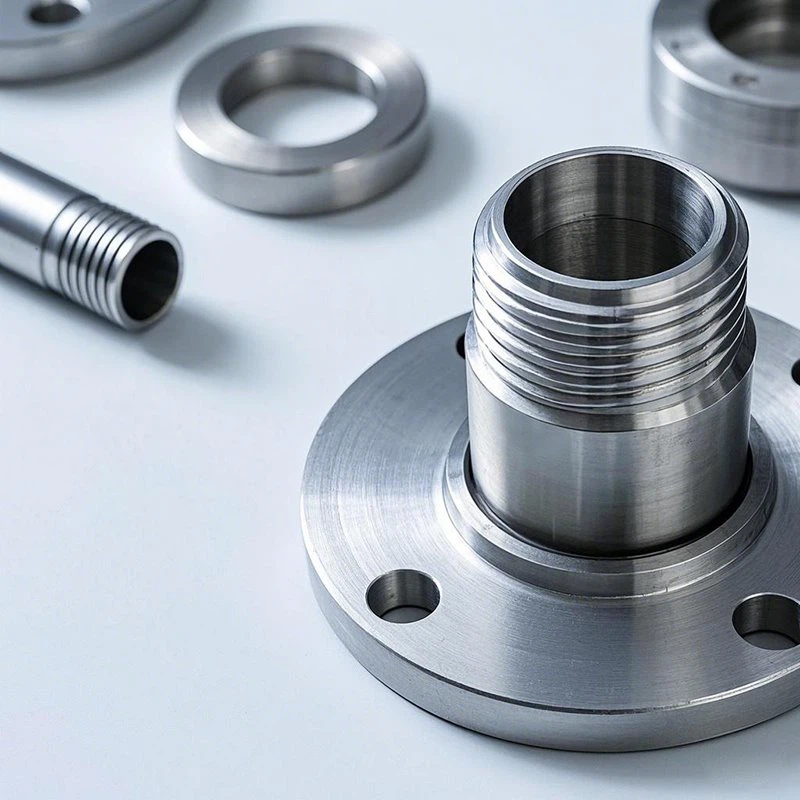
Long Weld Neck Flanges are characterized by their long tapered hub that gradually transitions from the flange face to the pipe wall. This design provides increased strength and durability, making them suitable for critical applications in industries such as oil and gas, chemical processing, and power generation. The long neck of the flange helps to reduce stress concentration at the weld joint, enhancing the overall integrity of the piping system.
You can learn more about our Long Weld Neck Flange on our website.
The Role of Material Microstructure
The microstructure of a material refers to the arrangement of its atoms, grains, and phases at a microscopic level. It plays a fundamental role in determining the mechanical properties of the material, including strength, hardness, ductility, and toughness. In the case of Long Weld Neck Flanges, the material microstructure can significantly influence their performance under different operating conditions.
Grain Size
Grain size is one of the most important microstructural features that affect the mechanical properties of a material. In general, a finer grain size leads to higher strength and hardness, as well as improved ductility and toughness. This is because smaller grains provide more grain boundaries, which act as barriers to dislocation movement, making it more difficult for the material to deform.
For Long Weld Neck Flanges, a fine-grained microstructure can enhance their resistance to fatigue and creep, which are common failure modes in high-pressure and high-temperature applications. Additionally, a fine-grained structure can improve the weldability of the flange material, reducing the risk of weld defects and improving the overall quality of the weld joint.
Phase Composition
The phase composition of a material refers to the different types of phases present in the microstructure, such as ferrite, austenite, and carbide. Each phase has its own unique properties, and the relative proportions of these phases can significantly affect the mechanical properties of the material.
In the case of Long Weld Neck Flanges, the phase composition can influence their corrosion resistance, strength, and toughness. For example, austenitic stainless steel flanges are known for their excellent corrosion resistance, while ferritic stainless steel flanges offer higher strength and lower cost. By carefully controlling the phase composition of the flange material, we can optimize its performance for specific applications.
Precipitation Hardening
Precipitation hardening is a heat treatment process that involves the formation of fine precipitates within the material microstructure. These precipitates act as obstacles to dislocation movement, increasing the strength and hardness of the material.
For Long Weld Neck Flanges, precipitation hardening can be used to enhance their mechanical properties, especially in high-strength applications. However, it is important to note that precipitation hardening can also reduce the ductility and toughness of the material, so careful consideration must be given to the specific requirements of the application.
Effects on Mechanical Properties
The microstructure of the flange material can have a profound impact on its mechanical properties, which in turn affect the performance of Long Weld Neck Flanges in various applications.
Strength
The strength of a Long Weld Neck Flange is one of the most important mechanical properties, as it determines its ability to withstand the internal pressure and external loads in the piping system. A fine-grained microstructure and a proper phase composition can significantly increase the strength of the flange material, allowing it to operate safely under high-pressure conditions.
Hardness
Hardness is another important mechanical property that affects the wear resistance and machinability of the flange material. A higher hardness can improve the resistance of the flange to abrasion and erosion, which are common problems in applications where the flange is exposed to abrasive fluids or particles.

Ductility and Toughness
Ductility and toughness are measures of the material's ability to deform plastically and absorb energy before fracture. A flange with good ductility and toughness is less likely to fail suddenly under high-stress conditions, making it more reliable and safe.
The microstructure of the flange material can have a significant impact on its ductility and toughness. For example, a fine-grained microstructure and a proper phase composition can improve the ductility and toughness of the material, while the presence of large precipitates or brittle phases can reduce these properties.
Fatigue Resistance
Fatigue is a common failure mode in Long Weld Neck Flanges, especially in applications where the flange is subjected to cyclic loading. The microstructure of the flange material can affect its fatigue resistance by influencing the initiation and propagation of fatigue cracks.
A fine-grained microstructure and a proper phase composition can improve the fatigue resistance of the flange material by reducing the stress concentration at the crack tip and increasing the energy required for crack propagation. Additionally, the presence of fine precipitates or dispersed particles can act as obstacles to crack growth, further enhancing the fatigue resistance of the flange.
Considerations for Flange Selection
When selecting Long Weld Neck Flanges for a specific application, it is important to consider the effects of the material microstructure on the mechanical properties. Here are some key considerations:
Operating Conditions
The operating conditions of the piping system, such as pressure, temperature, and fluid composition, will determine the required mechanical properties of the flange. For example, in high-pressure and high-temperature applications, a flange with high strength and good fatigue resistance is essential.
Corrosion Resistance
If the flange is exposed to corrosive fluids or environments, corrosion resistance becomes a critical factor. The phase composition and microstructure of the flange material can significantly affect its corrosion resistance, so it is important to choose a material that is suitable for the specific corrosive conditions.
Weldability
Weldability is another important consideration when selecting Long Weld Neck Flanges. The microstructure of the flange material can affect its weldability, so it is important to choose a material that can be easily welded without introducing defects or reducing the mechanical properties of the weld joint.
Conclusion
In conclusion, the microstructure of the flange material plays a crucial role in determining the mechanical properties of Long Weld Neck Flanges. By understanding the effects of grain size, phase composition, and precipitation hardening on the mechanical properties, we can select the appropriate flange material and heat treatment process to optimize the performance of the flanges in various applications.
As a supplier of Long Weld Neck Flanges, we are committed to providing high-quality products that meet the specific requirements of our customers. If you are interested in purchasing Long Weld Neck Flanges or have any questions about our products, please feel free to contact us for further discussion and negotiation.
We also offer other types of flanges, such as Flat Face Weld Neck Flange and Stainless Steel Socket Weld Flange. You can explore these products on our website.
References
- ASME B16.5 - Pipe Flanges and Flanged Fittings
- ASTM A105/A105M - Standard Specification for Carbon Steel Forgings for Piping Applications
- ASTM A350/A350M - Standard Specification for Carbon and Low-Alloy Steel Forgings, Requiring Notch Toughness Testing for Piping Components
- ASM Handbook Volume 1 - Properties and Selection: Irons, Steels, and High-Performance Alloys