

Hey there! As a supplier of threaded pipe flanges, I've seen firsthand the challenges that come with integrating these components into non - standard pipe systems. In this blog, I'm gonna share some of the adaptation methods that can make this process a whole lot smoother.
First off, let's understand what a non - standard pipe system is. It's basically a setup that doesn't follow the typical industry standards in terms of pipe size, material, or connection requirements. These systems can be found in a wide range of industries, from custom manufacturing plants to experimental research facilities. And that's where our threaded pipe flanges come in, but we need to adapt them properly.
Measuring and Customization
The very first step in adapting a threaded pipe flange to a non - standard pipe system is accurate measurement. You can't just assume that the flange will fit right off the bat. You've got to measure the pipe's outer diameter, wall thickness, and the thread pitch. This data is crucial because it forms the basis for any customization that needs to be done.
Once you have the measurements, you can work on custom - machining the flange. For instance, if the pipe has a unique outer diameter, you might need to adjust the inner diameter of the flange. This ensures a snug fit and prevents any leaks. And don't forget about the threads. If the pipe has a non - standard thread pitch, you'll have to cut new threads on the flange to match. This is a delicate process that requires precision machinery and skilled operators.
Material Compatibility
Another important aspect is material compatibility. Non - standard pipe systems might use materials that are different from the norm. For example, some pipes could be made of exotic alloys or composite materials. When choosing a threaded pipe flange, you need to make sure that the material of the flange is compatible with the pipe material.
If the materials are not compatible, you could run into issues like galvanic corrosion. This occurs when two different metals are in contact in the presence of an electrolyte (like water or a chemical solution). To avoid this, you might need to use a flange made of a similar material or apply a protective coating to the flange.
Gasket Selection
Gaskets play a vital role in the sealing of a threaded pipe flange connection. In a non - standard pipe system, choosing the right gasket is even more critical. You need to consider factors like the pressure and temperature of the fluid flowing through the pipes, as well as the chemical properties of the fluid.
For high - pressure applications, you might need a gasket made of a more robust material, such as metal or a high - performance elastomer. On the other hand, for low - pressure systems, a softer gasket material like rubber or cork might be sufficient. And if the fluid is corrosive, you'll need a gasket that is resistant to that particular chemical.
Using Adapters
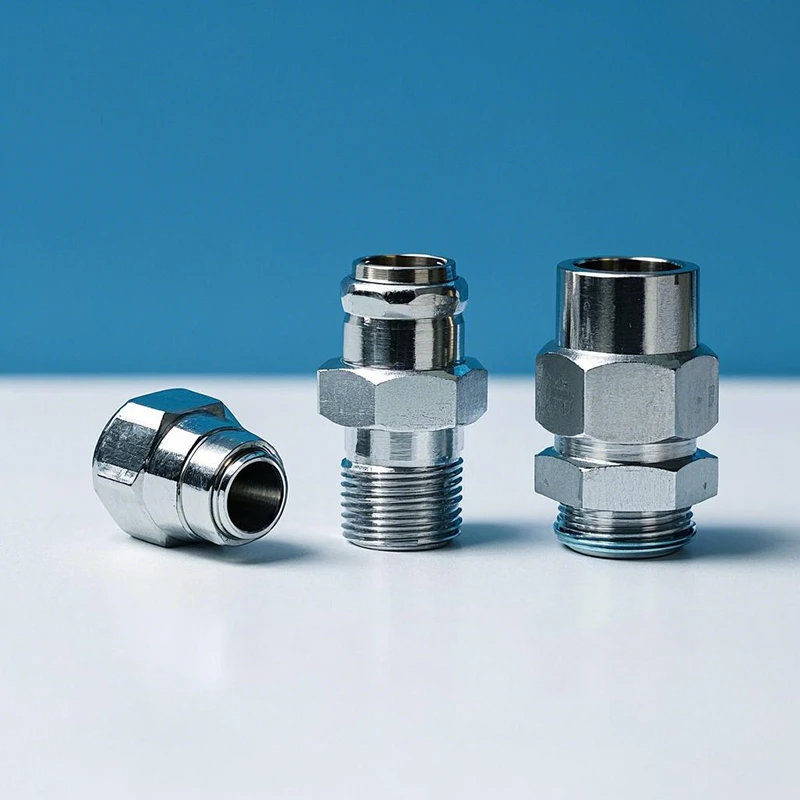
Sometimes, it's not feasible to directly adapt the threaded pipe flange to the non - standard pipe. In such cases, using adapters can be a great solution. Adapters act as an interface between the flange and the pipe, allowing for a proper connection.
There are different types of adapters available, such as Thread Nuts, Adapter Hydraulic Hose Fittings, and Metric To JIC Adapter. These adapters can be used to change the thread type, size, or connection style. For example, if the pipe has a metric thread and the flange has a JIC thread, you can use a Metric To JIC Adapter to make the connection.
Installation Considerations
Proper installation is key to the successful adaptation of a threaded pipe flange in a non - standard pipe system. You need to follow the correct torque specifications when tightening the bolts. Over - tightening can damage the flange or the gasket, while under - tightening can lead to leaks.
It's also important to ensure that the flange is properly aligned with the pipe. Misalignment can cause uneven stress on the gasket and the flange, which can eventually lead to failure. You might need to use alignment tools to make sure everything is in place before tightening the bolts.
Testing
Once the flange is installed, you need to test the connection. This can involve a pressure test to check for leaks. You can use a pressure gauge to monitor the pressure in the system and look for any drops in pressure, which could indicate a leak.
If there are any issues, you'll need to go back and troubleshoot. It could be a problem with the gasket, the alignment, or the torque of the bolts. By testing the connection, you can catch any problems early and make the necessary adjustments.
Maintenance
Finally, don't forget about maintenance. In a non - standard pipe system, regular maintenance is even more important. You should inspect the flange and the gasket periodically for signs of wear, corrosion, or damage.
If you notice any issues, you might need to replace the gasket or even the flange. And make sure to keep the connection clean to prevent the buildup of debris or contaminants, which can affect the performance of the flange.

In conclusion, adapting a threaded pipe flange to a non - standard pipe system requires careful planning, accurate measurement, and proper installation. By considering factors like material compatibility, gasket selection, and using the right adapters, you can ensure a reliable and leak - free connection.
If you're dealing with a non - standard pipe system and need threaded pipe flanges or any related products, I'd love to help. Just reach out, and we can start a conversation about your specific needs. Whether it's custom - machining a flange or recommending the right adapter, I've got the expertise to make your project a success.
References
- Pipe Fitting Handbook, Various Authors
- Handbook of Industrial Gaskets, Edited by John Doe
- Threaded Connection Technology, By Jane Smith