

Inspecting a hydraulic adapter for internal damage is a critical process that ensures the safety, efficiency, and longevity of hydraulic systems. As a hydraulic adapter supplier, I understand the importance of providing high - quality products and guiding our customers on how to maintain them properly. In this blog post, I will share some professional methods and tips on how to inspect a hydraulic adapter for internal damage.
Understanding the Importance of Inspection
Hydraulic adapters play a vital role in connecting different components within a hydraulic system. They transfer fluid under high pressure, and any internal damage can lead to fluid leakage, reduced system performance, and even pose a safety hazard. Regular inspection can help detect problems early, preventing costly repairs and downtime.
Visual Inspection
The first step in inspecting a hydraulic adapter is a thorough visual examination. This can often reveal signs of external damage that may indicate internal issues.
- Check for Cracks and Dents: Carefully examine the outer surface of the adapter for any visible cracks or dents. Cracks can allow fluid to leak, and dents may distort the internal passage, affecting the flow of hydraulic fluid. Even small cracks can grow over time due to the high - pressure environment in hydraulic systems.
- Look for Corrosion: Corrosion can eat away at the metal of the adapter, weakening its structure and potentially causing internal blockages. Check for signs of rust, oxidation, or pitting on the surface. If corrosion is present, it may have penetrated the internal walls of the adapter.
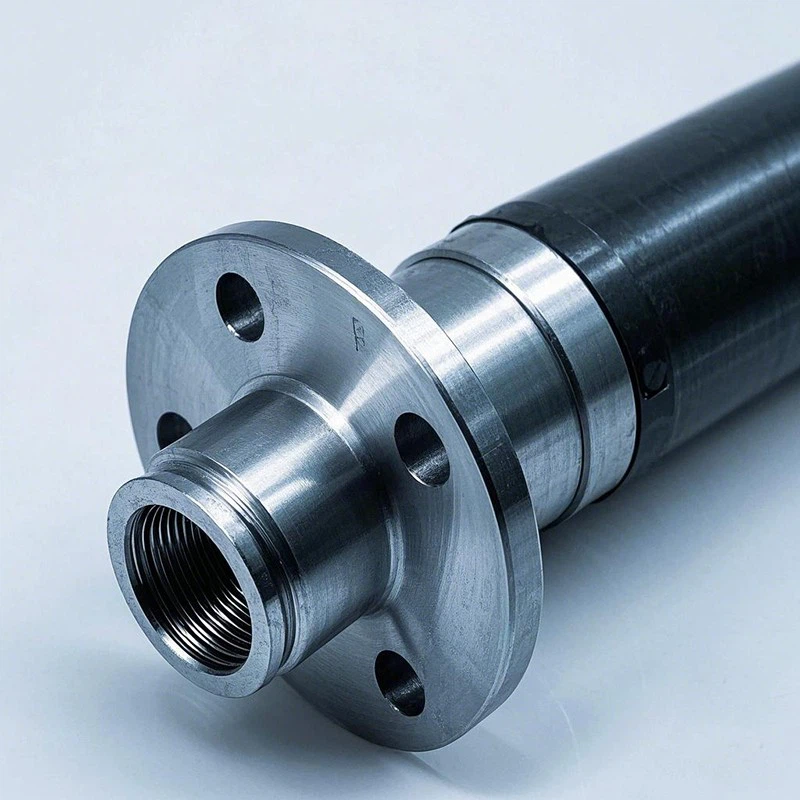
- Inspect Threads: The threads of the adapter are crucial for a proper connection. Look for stripped, damaged, or deformed threads. Damaged threads can lead to loose connections, which may result in fluid leakage and internal pressure imbalances.
Pressure Testing
Pressure testing is a reliable method to detect internal damage in hydraulic adapters. This test involves subjecting the adapter to a specified pressure and monitoring for any signs of leakage or pressure drop.
- Prepare the Testing Equipment: You will need a pressure testing pump, pressure gauge, and appropriate fittings to connect the adapter to the testing equipment. Make sure all the equipment is in good working condition and calibrated accurately.
- Connect the Adapter: Securely connect the hydraulic adapter to the testing equipment using the correct fittings. Ensure that all connections are tight to prevent any external leakage during the test.
- Apply Pressure: Gradually increase the pressure to the specified test pressure. This pressure should be within the rated pressure of the adapter. Monitor the pressure gauge closely for any sudden drops in pressure, which may indicate internal damage such as a crack or a leaky seal.
- Hold the Pressure: Maintain the test pressure for a specified period, usually a few minutes. Observe the adapter for any signs of fluid leakage around the connections or from the body of the adapter. If there is a leak, it is a clear indication of internal damage.
Flow Testing
Flow testing can help identify internal blockages or restrictions in the hydraulic adapter. A blockage can reduce the flow of hydraulic fluid, affecting the performance of the entire hydraulic system.
- Set Up the Flow Testing System: You will need a flow meter, a pump, and a reservoir of hydraulic fluid. Connect the adapter to the flow testing system in a way that allows the fluid to flow through it.
- Measure the Flow Rate: Start the pump and measure the flow rate of the hydraulic fluid through the adapter. Compare the measured flow rate with the expected flow rate for the adapter. A significant deviation from the expected flow rate may indicate an internal blockage.
- Check for Turbulence: Observe the flow of the fluid as it passes through the adapter. Turbulence or irregular flow patterns can be a sign of internal damage, such as a rough internal surface or a partial blockage.
Non - Destructive Testing (NDT)
Non - destructive testing methods can provide more detailed information about the internal condition of the hydraulic adapter without damaging it.
- Ultrasonic Testing: Ultrasonic testing uses high - frequency sound waves to detect internal flaws in the adapter. A transducer is placed on the surface of the adapter, and the sound waves are transmitted into the material. Any internal defects, such as cracks or voids, will reflect the sound waves, which can be detected by the testing equipment.
- Magnetic Particle Testing: This method is suitable for ferromagnetic materials. It involves applying a magnetic field to the adapter and then sprinkling magnetic particles on the surface. If there are any surface or near - surface cracks, the magnetic particles will be attracted to the defect, making it visible.
- Dye Penetrant Testing: Dye penetrant testing is used to detect surface - opening cracks. The adapter is first cleaned and then coated with a penetrant dye. After a certain period, the excess dye is removed, and a developer is applied. The dye that has penetrated into the cracks will be drawn out by the developer, making the cracks visible.
Internal Visual Inspection
In some cases, it may be necessary to perform an internal visual inspection of the hydraulic adapter. This can be done using a borescope, which is a flexible tube with a camera at the end.

- Insert the Borescope: Carefully insert the borescope into the adapter through one of the openings. Make sure to follow the manufacturer's instructions for using the borescope.
- Examine the Internal Walls: Use the camera on the borescope to examine the internal walls of the adapter. Look for signs of damage, such as scratches, abrasions, or corrosion. Pay special attention to areas where the fluid flow may be restricted, such as bends or constrictions.
Conclusion
Inspecting a hydraulic adapter for internal damage is a multi - step process that requires careful attention to detail. By following the methods outlined above, you can ensure that your hydraulic adapters are in good condition and functioning properly. At our company, we offer a wide range of high - quality hydraulic adapters, including Metric To JIC Adapter, Threaded Pipe Flange, and Thread Nuts. If you have any questions about hydraulic adapter inspection or need to purchase hydraulic adapters, please feel free to contact us for more information and to start a procurement discussion.
References
- "Hydraulic Systems Handbook" by John F. Caruthers
- "Non - Destructive Testing: Principles and Applications" by David A. Scott