

Hey there! As a supplier of Weld Neck Blind Flanges, I've seen a whole lot in the market. One question that often comes up from buyers is how to compare the quality of Weld Neck Blind Flanges from different manufacturers. Well, I'm here to share some tips based on my experience in the industry.

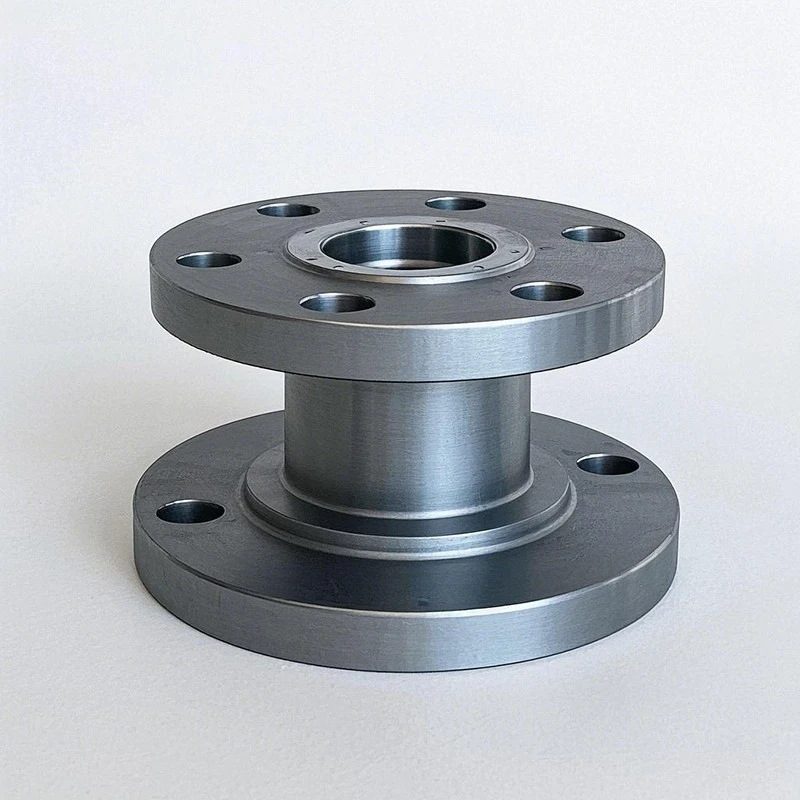
Material Quality
The first thing you should look at is the material used to make the flange. High - quality materials are the foundation of a reliable flange. For Weld Neck Blind Flanges, the most common materials are carbon steel, stainless steel, and alloy steel.
Carbon steel is a popular choice due to its affordability and good mechanical properties. However, not all carbon steels are created equal. When comparing flanges from different manufacturers, check the chemical composition and the grade of carbon steel. For example, ASTM A105 is a widely used grade for carbon steel flanges in general applications. Some manufacturers might use lower - grade steel to cut costs, which can lead to issues like corrosion and reduced strength over time.
Stainless steel flanges are known for their corrosion resistance, making them ideal for applications in harsh environments. The grade of stainless steel matters a great deal. 304 and 316 are two common grades. 316 stainless steel has better corrosion resistance than 304, especially in chloride - rich environments. A good manufacturer will clearly state the grade of stainless steel they use and provide test reports to prove its quality.
Alloy steel flanges are used when high strength and special properties are required. The alloying elements in these flanges can vary, and a reliable manufacturer will have strict control over the alloy composition. You can ask for material certificates to ensure the flange meets the required standards.
Manufacturing Process
The manufacturing process has a huge impact on the quality of Weld Neck Blind Flanges. A well - made flange should have a smooth surface finish and accurate dimensions.
One important aspect of the manufacturing process is forging. Forged flanges are generally stronger and more reliable than cast flanges. Forging involves shaping the metal under high pressure, which aligns the grain structure of the metal and improves its mechanical properties. When comparing manufacturers, find out if they use forging in their production process.
Welding is another critical step. In a Weld Neck Blind Flange, the weld neck is designed to be welded to the pipe. A good manufacturer will have experienced welders and use proper welding techniques. The weld should be free of defects such as cracks, porosity, and lack of fusion. You can ask for weld test reports to evaluate the quality of the welding.
Machining is also crucial for achieving the correct dimensions of the flange. The bolt holes should be accurately drilled, and the flange face should be flat and smooth. Any deviation in dimensions can lead to installation problems and leaks. You can measure the key dimensions of the flange or ask the manufacturer for dimensional inspection reports.
Testing and Certification
Reputable manufacturers will subject their Weld Neck Blind Flanges to various tests to ensure quality. These tests can include non - destructive testing (NDT) such as ultrasonic testing (UT), magnetic particle testing (MT), and radiographic testing (RT). NDT methods are used to detect internal and surface defects without damaging the flange.
Pressure testing is also important, especially for flanges used in high - pressure applications. A hydrostatic pressure test is commonly used to check if the flange can withstand the specified pressure without leaking. A manufacturer that provides detailed pressure test reports is more likely to offer high - quality flanges.
Certifications are a sign that the manufacturer follows industry standards and best practices. Look for certifications such as ISO 9001 for quality management systems, ASME B16.5 for pipe flanges and flanged fittings, and other relevant standards depending on the application. Certifications give you confidence in the quality of the product.
Design and Functionality
The design of the Weld Neck Blind Flange can vary between manufacturers. Consider the application requirements when evaluating the design. For example, if the flange is used in a high - vibration environment, a well - designed weld neck can provide better stress distribution and reduce the risk of fatigue failure.
The flange face finish is also important. There are different types of flange face finishes, such as flat face, raised face, and ring joint face. A Flat Face Weld Neck Flange is suitable for applications where the mating surface is flat and a low - pressure seal is required. The choice of face finish should match the requirements of the piping system.
Some manufacturers might offer additional features or custom designs. For example, a Flange with Orifice Welding Neck can be used for flow measurement. Or a Long Weld Neck Flange is useful in applications where there is a need for better alignment and stress relief.
Reputation and Customer Feedback
One of the simplest ways to compare the quality of Weld Neck Blind Flanges from different manufacturers is to look at their reputation in the market. You can check online reviews, industry forums, and ask for references from the manufacturer.
A manufacturer with a good reputation is more likely to maintain high - quality standards. Positive customer feedback indicates that the manufacturer delivers on its promises and provides good after - sales service. On the other hand, if a manufacturer has a lot of negative reviews or complaints about product quality and service, it's a red flag.
Cost - Quality Balance
When comparing flanges from different manufacturers, cost is always a factor. However, it's important to find a balance between cost and quality. A very cheap flange might be made from inferior materials or using sub - standard manufacturing processes, which can lead to higher costs in the long run due to maintenance, replacement, and downtime.
On the other hand, the most expensive flange is not necessarily the best. You need to evaluate the quality based on the factors mentioned above and determine if the price is justified. Sometimes, a mid - priced flange from a reliable manufacturer can offer the best value for money.
Contact for Purchase
If you're in the market for high - quality Weld Neck Blind Flanges, I'd love to talk to you. I can provide you with more detailed information about our products, including material quality, manufacturing process, and test reports. Whether you need standard flanges or custom - designed ones, we can meet your requirements. Contact me to start a discussion about your procurement needs.
References
- ASME B16.5 - Standard for Pipe Flanges and Flanged Fittings
- ASTM Standards related to flange materials
- Industry publications on flange manufacturing and quality control