

As a seasoned supplier of hex nut screws, I understand the importance of maintaining these essential fasteners in optimal condition. A clean hex nut screw not only enhances its appearance but also ensures its functionality and longevity. In this blog post, I'll share some effective methods on how to clean a hex nut screw, covering various scenarios and types of dirt or contaminants.
Understanding the Types of Hex Nut Screws
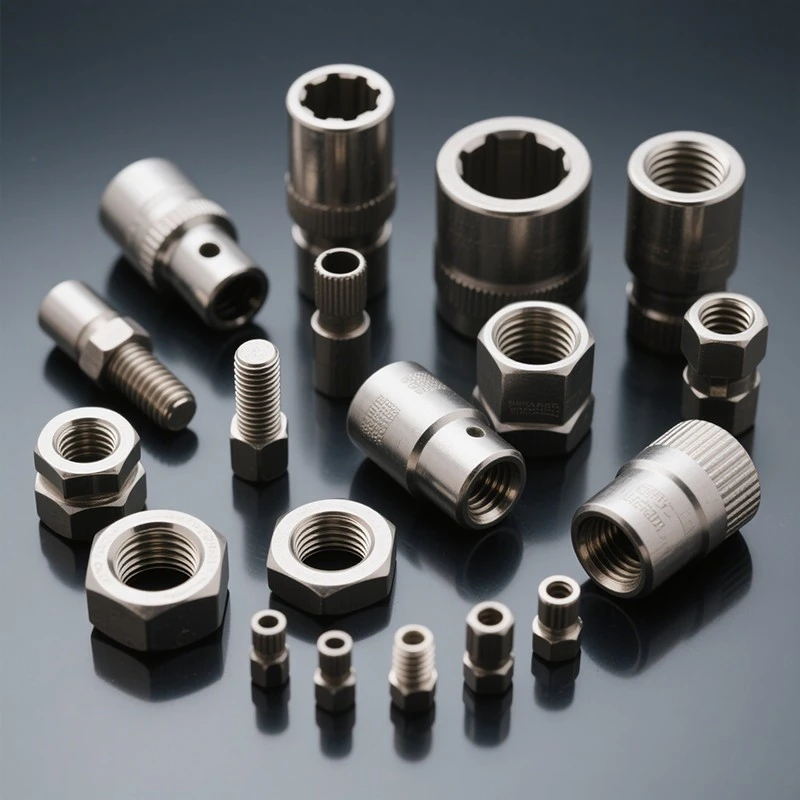
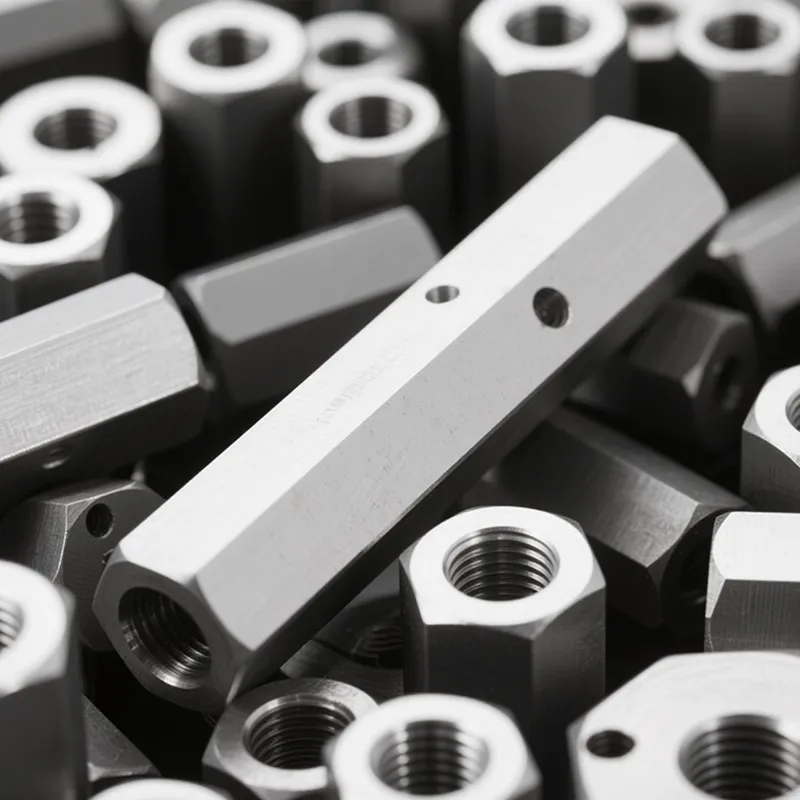
Before diving into the cleaning process, it's crucial to recognize the different types of hex nut screws available. There are various options in the market, each designed for specific applications. For instance, the Hexagon Cap Nut is often used when a more finished look is required, as it has a rounded top that can protect the screw threads and provide a smooth surface. The Long Hex Nut offers increased thread engagement, which is useful in applications where extra strength and stability are needed. And the Barrel Nut is commonly used in furniture assembly, providing a concealed and secure connection.
Preparation for Cleaning
Before you start cleaning, gather the necessary tools and materials. You'll typically need a cleaning solution, a brush, a cloth, and a container for soaking if required. The choice of cleaning solution depends on the type of dirt or corrosion on the hex nut screw. For light dirt and grease, a mild detergent mixed with water can be sufficient. If there is rust or heavy corrosion, a specialized rust remover or vinegar can be used.
Step-by-Step Cleaning Process
1. Inspection
First, carefully inspect the hex nut screw. Check for any signs of damage, such as cracks or stripped threads. If you notice any significant damage, it may be necessary to replace the screw rather than attempting to clean it. Also, identify the type and extent of dirt or contaminants on the screw. This will help you determine the most appropriate cleaning method.
2. Dry Brushing
For loose dirt and debris, start by using a brush to gently remove the surface particles. A stiff-bristled brush can be effective in dislodging dirt from the threads and the hexagonal shape of the nut. Make sure to brush all sides of the screw, including the threads, to ensure thorough cleaning.
3. Soaking
If the hex nut screw is heavily soiled or has rust, soaking it in a cleaning solution can be very effective. Place the screw in a container filled with the appropriate cleaning solution. For mild dirt, a mixture of warm water and a few drops of dish soap can work well. Let the screw soak for a sufficient amount of time, usually 15 - 30 minutes, depending on the severity of the dirt. If using a rust remover, follow the manufacturer's instructions regarding the soaking time.
4. Scrubbing
After soaking, take the screw out of the container and use the brush to scrub it again. Pay special attention to the areas with stubborn dirt or rust. The soaking process will have loosened the contaminants, making them easier to remove with the brush. You can use a toothbrush for more detailed cleaning, especially around the threads.
5. Rinsing
Once you've scrubbed the screw thoroughly, rinse it under running water to remove the cleaning solution and any remaining dirt. Make sure to rinse all parts of the screw, including the threads, to ensure that no cleaning solution residue is left behind.
6. Drying
After rinsing, dry the hex nut screw immediately to prevent new rust from forming. You can use a clean cloth to wipe off the excess water. For a more thorough drying, you can also use compressed air or let the screw air dry in a well - ventilated area.
Cleaning Specific Contaminants
Grease and Oil
Grease and oil can accumulate on hex nut screws, especially in industrial or automotive applications. To clean them, use a degreaser. You can either soak the screw in the degreaser or apply it directly to the screw with a cloth or brush. After applying the degreaser, let it sit for a few minutes to break down the grease and oil. Then, scrub the screw with a brush and rinse it thoroughly.
Rust
Rust is a common problem with metal hex nut screws. As mentioned earlier, vinegar can be an effective natural rust remover. Soak the rusty screw in vinegar for several hours or overnight. The acid in the vinegar will react with the rust and dissolve it. After soaking, scrub the screw to remove the loosened rust and rinse it well. If the rust is severe, a commercial rust remover may be more effective. Follow the product instructions carefully when using a commercial rust remover.
Preventive Measures
To keep your hex nut screws clean and in good condition for longer, there are some preventive measures you can take.
1. Proper Storage
Store hex nut screws in a dry and clean environment. Moisture is one of the main causes of rust and corrosion. You can use sealed containers or bags to protect the screws from dust, dirt, and moisture.
2. Coating
Applying a protective coating to the hex nut screw can prevent rust and corrosion. There are various types of coatings available, such as zinc plating, powder coating, or a thin layer of oil. The choice of coating depends on the application and the environment in which the screw will be used.
3. Regular Inspection
Regularly inspect your hex nut screws for any signs of dirt, corrosion, or damage. By catching problems early, you can take appropriate action to clean or replace the screws before the situation worsens.
Conclusion
Cleaning a hex nut screw is a relatively simple process that can significantly improve its performance and lifespan. By following the steps outlined in this blog post, you can effectively remove dirt, grease, rust, and other contaminants from your hex nut screws. Whether you're dealing with a Hexagon Cap Nut, a Long Hex Nut, or a Barrel Nut, proper cleaning and maintenance are essential.
If you're in the market for high - quality hex nut screws or have any questions about cleaning or using them, feel free to reach out for a procurement discussion. We're here to provide you with the best products and solutions for your needs.
References
- "Fastener Handbook" - A comprehensive guide on fasteners, including hex nut screws, their types, and maintenance.
- Industry standards and guidelines for metal fasteners, which provide information on cleaning and corrosion prevention.