

When it comes to electrical installations, the choice of fasteners is a critical decision that can significantly impact the safety, reliability, and performance of the entire system. As a supplier of hex head barrel nuts, I often receive inquiries from customers about whether these nuts are suitable for use in electrical applications. In this blog post, I will explore the factors to consider when using hex head barrel nuts in electrical installations and provide some guidance on making the right choice.
Understanding Hex Head Barrel Nuts
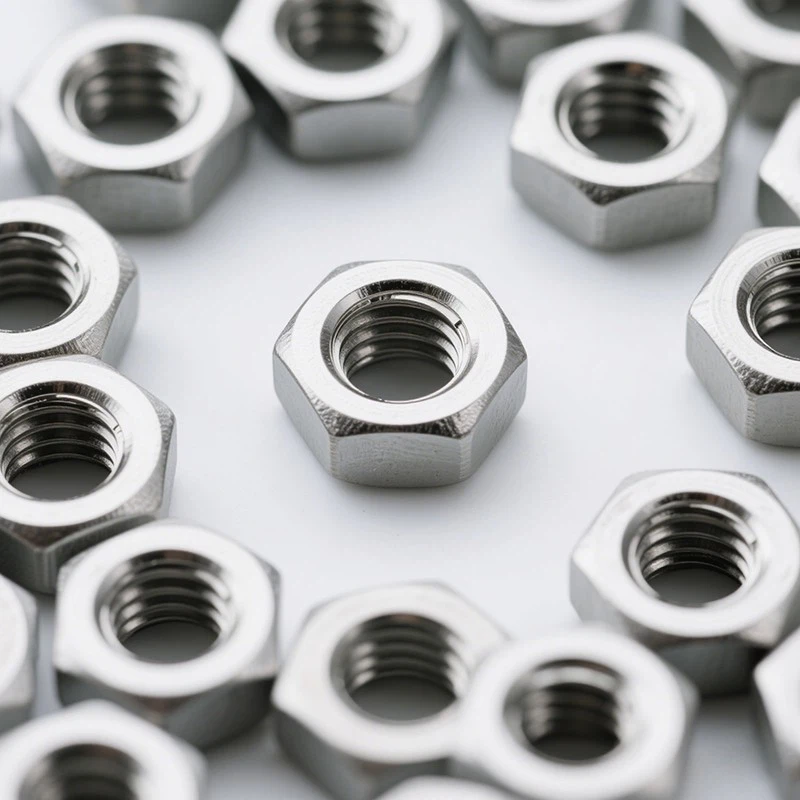
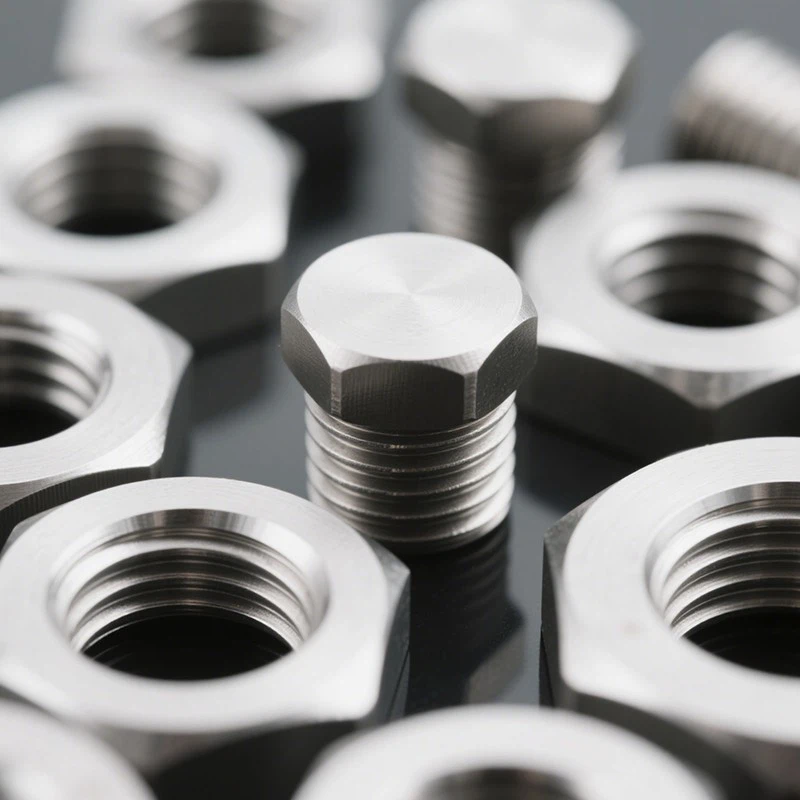
Before delving into their suitability for electrical installations, let's first understand what hex head barrel nuts are. Hex head barrel nuts, also known as barrel nuts or expansion nuts, are a type of fastener that features a hexagonal head and a cylindrical body with internal threads. They are designed to be used in conjunction with a bolt or screw to create a secure and reliable connection.
The unique design of hex head barrel nuts offers several advantages. The hexagonal head provides a convenient gripping surface for tightening and loosening the nut using a wrench or socket. The cylindrical body allows for a larger surface area of contact with the mating part, which helps distribute the load evenly and reduces the risk of damage to the material. Additionally, the internal threads ensure a tight and secure fit, preventing the nut from loosening over time.
Factors to Consider in Electrical Installations
When considering the use of hex head barrel nuts in electrical installations, several factors need to be taken into account. These factors include the electrical conductivity, corrosion resistance, mechanical strength, and compatibility with other components of the electrical system.
Electrical Conductivity
One of the primary concerns in electrical installations is the electrical conductivity of the fasteners. In most cases, electrical systems require fasteners that are good conductors of electricity to ensure proper grounding and to prevent the buildup of static electricity. Hex head barrel nuts are typically made from metals such as steel, stainless steel, or brass, which are all good conductors of electricity. However, it is important to note that the electrical conductivity of the nut can be affected by factors such as the material composition, surface finish, and the presence of any coatings or platings.
Corrosion Resistance
Another important factor to consider is the corrosion resistance of the hex head barrel nuts. Electrical installations are often exposed to various environmental conditions, including moisture, humidity, and chemicals, which can cause corrosion and degradation of the fasteners over time. Corrosion can not only weaken the mechanical strength of the nut but also affect its electrical conductivity, leading to potential safety hazards.
To ensure long-term performance and reliability, it is recommended to choose hex head barrel nuts that are made from corrosion-resistant materials such as stainless steel or brass. These materials offer excellent resistance to rust and corrosion, even in harsh environments. Additionally, applying a protective coating or plating to the nuts can further enhance their corrosion resistance.
Mechanical Strength
The mechanical strength of the hex head barrel nuts is also a crucial consideration in electrical installations. The nuts need to be able to withstand the mechanical stresses and loads that are typically encountered in electrical systems, such as vibration, shock, and torque. Insufficient mechanical strength can result in the nuts loosening or breaking, which can lead to electrical failures and safety risks.
When selecting hex head barrel nuts for electrical installations, it is important to choose nuts that have the appropriate mechanical properties for the specific application. This includes considering factors such as the size, thread pitch, and material grade of the nuts. It is also recommended to follow the manufacturer's specifications and guidelines for the maximum allowable load and torque values.
Compatibility with Other Components
In addition to the electrical conductivity, corrosion resistance, and mechanical strength, the hex head barrel nuts need to be compatible with other components of the electrical system. This includes the bolts or screws that they are used with, as well as any other electrical components such as terminals, connectors, and enclosures.
When choosing hex head barrel nuts, it is important to ensure that they have the correct thread size and pitch to match the bolts or screws. Using nuts with the wrong thread size or pitch can result in a loose or insecure connection, which can lead to electrical failures and safety hazards. Additionally, it is important to consider the compatibility of the nuts with any other electrical components that they will be in contact with, such as the material and finish of the terminals and connectors.
Applications of Hex Head Barrel Nuts in Electrical Installations
Hex head barrel nuts can be used in a variety of electrical installations, including:
Panel Mounting
Hex head barrel nuts are commonly used for panel mounting in electrical enclosures and cabinets. They provide a secure and reliable way to attach panels, doors, and covers to the enclosure, ensuring proper alignment and preventing the panels from vibrating or coming loose.
Equipment Mounting
In electrical equipment, hex head barrel nuts can be used to mount components such as motors, transformers, and control panels. They provide a strong and stable connection, allowing the equipment to operate safely and efficiently.
Wiring and Cable Management
Hex head barrel nuts can also be used in wiring and cable management applications. They can be used to secure cable glands, conduit fittings, and other wiring accessories, ensuring that the cables are properly supported and protected.
Conclusion
In conclusion, hex head barrel nuts can be a suitable choice for use in electrical installations, provided that the appropriate factors are considered. When selecting hex head barrel nuts for electrical applications, it is important to choose nuts that have the right electrical conductivity, corrosion resistance, mechanical strength, and compatibility with other components of the electrical system. By taking these factors into account, you can ensure that the hex head barrel nuts provide a secure and reliable connection, helping to prevent electrical failures and ensure the safety and performance of the electrical system.
If you are interested in purchasing hex head barrel nuts for your electrical installations, or if you have any questions or need further information, please feel free to contact us. We are a leading supplier of high-quality hex head barrel nuts and other fasteners, and we are committed to providing our customers with the best products and services.
References
- "Fasteners for Electrical Installations: A Guide to Selection and Use." Electrical Safety Foundation International.
- "Corrosion Resistance of Fasteners in Electrical Applications." National Association of Corrosion Engineers.
- "Mechanical Properties of Fasteners for Electrical Systems." American Society of Mechanical Engineers.