

Can a hydraulic T connector be used in a hydraulic steering system?
As a supplier of hydraulic T connectors, I often receive inquiries from customers about the applicability of our products in various hydraulic systems, especially the hydraulic steering system. In this blog post, I will delve into the question of whether a hydraulic T connector can be used in a hydraulic steering system, exploring the technical aspects, advantages, potential challenges, and considerations.

Understanding the Hydraulic Steering System
Before we discuss the use of hydraulic T connectors in a hydraulic steering system, it's essential to understand how a hydraulic steering system works. A hydraulic steering system is a crucial component in many vehicles, including boats, trucks, and heavy - duty machinery. It uses hydraulic pressure to assist the driver in turning the wheels or controlling the steering mechanism.
The basic principle of a hydraulic steering system involves a hydraulic pump, which is usually driven by the vehicle's engine. The pump generates hydraulic fluid pressure, and this pressurized fluid is then directed to the steering cylinder. When the driver turns the steering wheel, a control valve directs the flow of hydraulic fluid to the appropriate side of the steering cylinder, causing the cylinder to move and turn the wheels.
What is a Hydraulic T Connector?
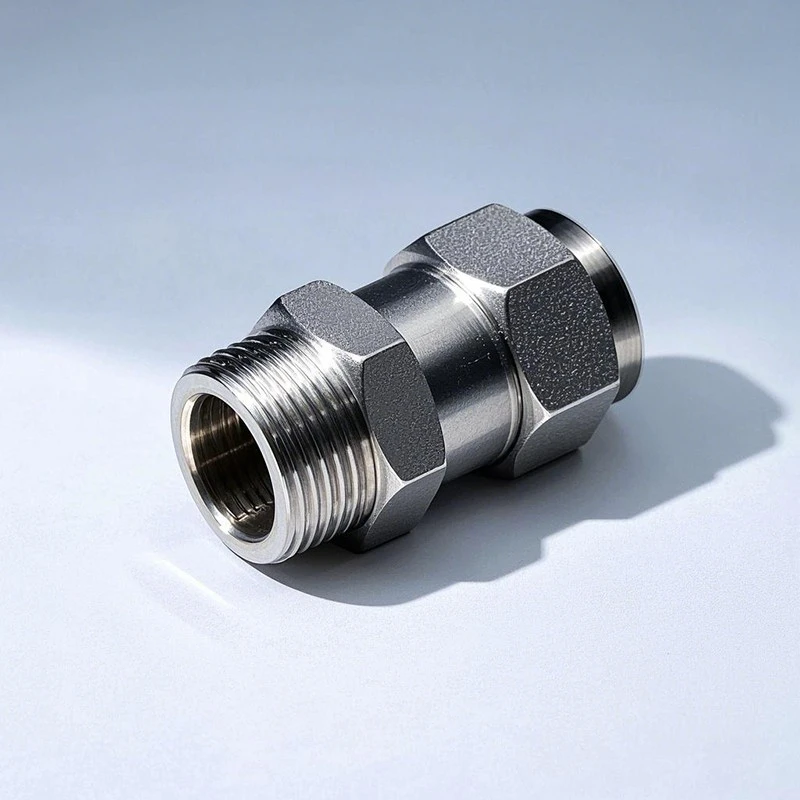
A Hydraulic T Connector is a type of hydraulic fitting that has a T - shaped design. It is used to split a single hydraulic line into two separate lines or to combine two lines into one. These connectors are typically made of materials such as steel, brass, or stainless steel, and they come in various sizes and thread types to accommodate different hydraulic systems.
Can a Hydraulic T Connector be Used in a Hydraulic Steering System?
The short answer is yes, a hydraulic T connector can be used in a hydraulic steering system, but there are several important factors to consider.
Advantages of Using a Hydraulic T Connector in a Hydraulic Steering System
- Flexibility in System Design: One of the main advantages of using a hydraulic T connector is the flexibility it offers in system design. In some hydraulic steering systems, there may be a need to split the hydraulic fluid flow to multiple components, such as additional steering cylinders or auxiliary steering devices. A T connector allows for this splitting of the flow without the need for complex and expensive custom - made fittings.
- Simplified Installation: Hydraulic T connectors are relatively easy to install. They can be quickly connected to existing hydraulic hoses using standard connection methods, such as threaded connections or quick - connect couplings. This can save time and labor during the installation or maintenance of a hydraulic steering system.
- Cost - Effective Solution: Compared to some other types of hydraulic fittings or custom - designed components, hydraulic T connectors are generally more cost - effective. They provide a simple and affordable way to modify or expand a hydraulic steering system.
Potential Challenges and Considerations
- Flow Distribution: When using a hydraulic T connector in a steering system, it's crucial to ensure proper flow distribution. The T connector should be sized correctly to ensure that the hydraulic fluid is evenly distributed between the two branches. If the flow is not evenly distributed, it can lead to uneven steering performance, with one side of the steering mechanism receiving more or less hydraulic pressure than the other.
- Pressure Rating: The hydraulic steering system operates under high pressure. Therefore, the Hydraulic T Connector used must have a pressure rating that is suitable for the maximum pressure of the steering system. Using a connector with a lower pressure rating can result in leaks, failures, or even dangerous situations.
- Compatibility: The T connector must be compatible with the hydraulic fluid used in the steering system. Different hydraulic fluids have different chemical properties, and using an incompatible connector can lead to corrosion, swelling, or other forms of damage to the fitting.
Other Related Hydraulic Fittings
In addition to hydraulic T connectors, there are other types of hydraulic fittings that may be used in a hydraulic steering system. For example, Hydraulic Hose Quick Coupler can be used to quickly connect and disconnect hydraulic hoses, which is useful for maintenance or when the system needs to be reconfigured. High Pressure Hose Pipe Connector are designed to withstand high - pressure applications and can be used to connect high - pressure hoses in the steering system.
Ensuring Safe and Effective Use
To ensure the safe and effective use of a hydraulic T connector in a hydraulic steering system, the following steps should be taken:
- Proper Sizing: Select the correct size of the T connector based on the flow requirements and the size of the hydraulic hoses in the system.
- Quality Inspection: Before installation, inspect the T connector for any signs of damage, such as cracks, dents, or incorrect threading.
- Installation by Professionals: It is recommended that the installation of the T connector be carried out by a qualified hydraulic technician who has experience working with steering systems.
Conclusion
In conclusion, a hydraulic T connector can be a valuable component in a hydraulic steering system, offering flexibility, simplified installation, and cost - effectiveness. However, careful consideration must be given to factors such as flow distribution, pressure rating, and compatibility. By taking the necessary precautions and ensuring proper installation, a hydraulic T connector can contribute to the reliable and efficient operation of a hydraulic steering system.
If you are in the market for high - quality hydraulic T connectors or other hydraulic fittings for your steering system, I encourage you to reach out for further discussion. We have a wide range of products that can meet your specific needs, and our team of experts is ready to assist you in making the right choices. Whether you are a manufacturer looking for components for new systems or a maintenance professional in need of replacement parts, we can provide you with the solutions you require.
References
- Hydraulic Systems Handbook. [Author's name]. [Publisher], [Year of publication].
- Automotive Hydraulic Steering Systems: Design and Maintenance. [Author's name]. [Publisher], [Year of publication].